
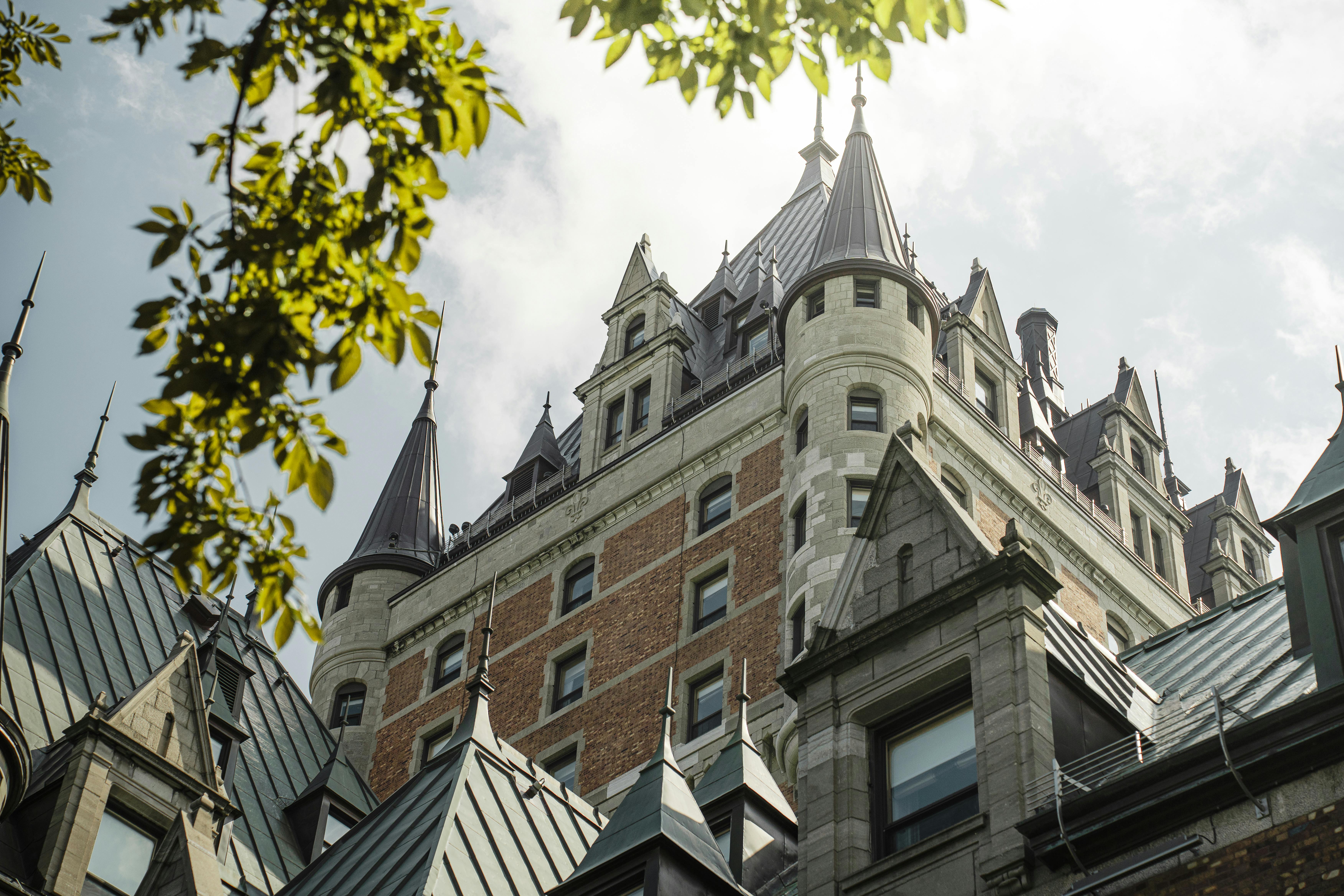
Quebec City is the rare North American place that feels stitched from old Europe. Founded by Samuel de Champlain in 1608, its historic core is the only walled city north of Mexico, a UNESCO World Heritage Site of stone ramparts, copper roofs, and lanes barely wide enough for a horse cart. The Chateau Frontenac, that fairy-tale hotel crowning the bluff, is said to be the most photographed hotel on earth.
French is the heartbeat here, spoken in shops, bistros, and on the terrace cafes of Old Quebec, yet the welcome is warm and bilingual enough for any visitor. The city splits into the high town (Haute-Ville) atop Cap Diamant and the lower town (Basse-Ville) along the river, linked by a funicular and a famously steep staircase.
Beyond the postcard views, this is a serious food town: maple everything, hearty Quebecois classics, sugar shacks, a thriving microbrewery scene, and the fertile farm island of Ile d'Orleans just minutes away. Come for the history, stay for the cheese, cider, and the way the whole place glows under snow.
Summer (June to August) is peak season: warm days, long light, festival crowds, and the famous Festival d'ete music gathering in July. Fall brings fiery foliage and harvest season on Ile d'Orleans, ideal for cooler-weather wandering with fewer tourists. Winter is magical and brutally cold, but it is the city's signature look: the Carnaval de Quebec in late January and February, toboggan runs by the Chateau, and the German-style German Christmas market in December. Spring is quiet and muddy but cheap. For the best balance of weather and value, aim for September and early October.
Jean Lesage International Airport (YQB) sits about 20 minutes west of downtown; a taxi or ride-hail runs a flat-ish fare to Old Quebec. Many travelers also arrive by VIA Rail train from Montreal (roughly three hours) into Gare du Palais, a beautiful chateau-style station. Once here, Old Quebec is best explored on foot, though the cobblestones and hills are steep, so wear real shoes. The funicular links Haute-Ville and Basse-Ville for a few dollars, and the RTC city buses cover the rest. You will not need a car unless you plan day trips; if you do rent one, skip driving inside the walls, where parking is scarce and streets are tight.
Neighborhoods & hotels


Skip the research, get a day-by-day Quebec City plan
Tell us your dates and pace; we'll build the itinerary around these picks.
Best Coffee Shops
Quebec City takes its coffee seriously, from old-town espresso bars to roasters in Saint-Roch.


Where to Eat Breakfast & Brunch
From flaky French pastries to maple-drenched brunch, mornings here are a highlight.


Best Restaurants in Quebec City
Hearty Quebecois tradition meets refined modern cooking, with plenty of maple, game, and local cheese.


Top Things to Do & See
Walk the ramparts, ride the funicular, and soak up four centuries of history packed into a small, walkable area.


Food Tours & Culinary Experiences
The best way to eat through four centuries of Quebecois flavor is with a guide who knows the doors to knock on.


Bars & Nightlife
Quebec City pairs cozy taverns with a strong microbrewery culture, especially in Saint-Roch and Saint-Jean-Baptiste.
Markets & Shopping
Browse boutiques, antiques, and local produce from cheese to cider.
Day Trips Worth Taking
Waterfalls higher than Niagara, a farm-rich island, and whale-filled waters are all within easy reach.


Before you visit
Plan-ahead checklist
Few cities pack as much history, flavor, and atmosphere into so walkable a footprint as Quebec City. Whether you come for maple-laced bistro dinners in summer or the snow-dusted magic of Carnaval, the old walled town will charm you the moment you step onto its cobblestones. Start planning, lace up comfortable shoes, and let New France work its spell.
Top-Rated Places to Eat, See & Stay
Explore Quebec City
Build your own Quebec City trip
Tell us how many days, your budget, and what you're into. We'll turn it into a custom, day-by-day Quebec City itinerary.