
Porto vs Lisbon: Which Portuguese City Should You Visit?

Two riverfront capitals of charm, one decision. Here is how to pick the Portuguese city that fits your trip.
Porto vs Lisbon: Which Portuguese City Should You Visit?
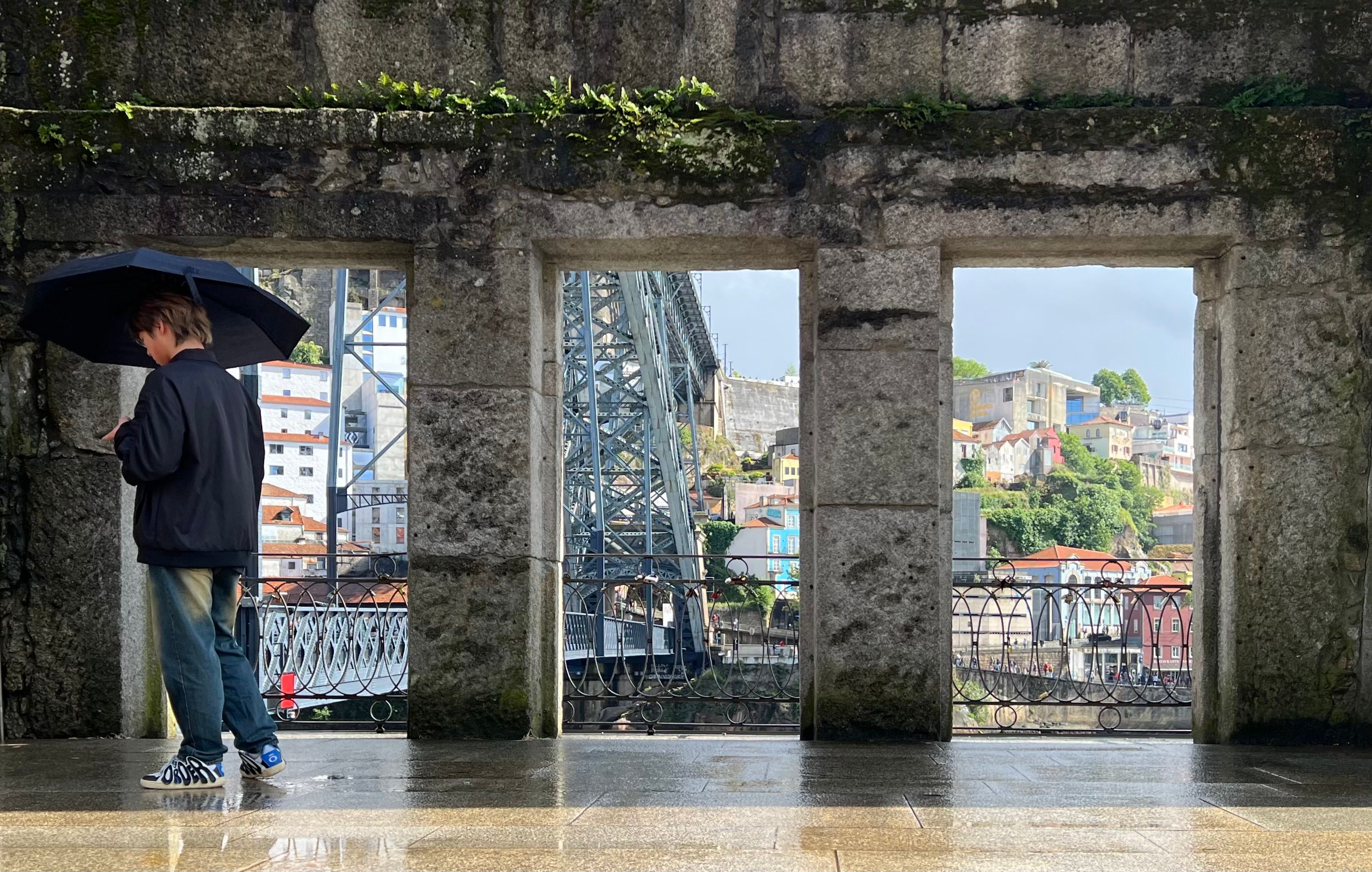
A person with an umbrella by Ponte Dom Luís I in Porto, showcasing a picturesque urban view. · maria Chaile

Portugal makes you choose, and it is not an easy choice. Porto and Lisbon are both river cities stitched from tile, granite, and hillside, both walkable, both deeply photogenic, and both reachable from the rest of Europe on a cheap flight. Yet they feel genuinely different, and the gap between them is exactly what makes this decision worth getting right.

Porto is smaller, moodier, and more concentrated: a working port city that wears its grit and its romance at the same time, all draped down a steep gorge above the Douro. Lisbon is bigger, brighter, and more cosmopolitan, a sprawling capital of seven hills with ocean light, grand plazas, and a restless nightlife. One is a long weekend you can fully absorb; the other is a city you keep peeling back.

This guide breaks the choice down by the things that actually decide it: atmosphere, sights, food and wine, cost, beaches, getting around, and day trips. If you only have time for one, by the end you will know which one is yours.

Porto vs Lisbon

Porto
Lisbon
Vibe & first impressions
Porto feels intimate and theatrical, a tangle of narrow lanes tumbling down to the Ribeira waterfront, with the Dom Luis I bridge framing the Douro and port lodges glowing across the water in Vila Nova de Gaia. It is romantic, slightly weathered, and easy to grasp in a couple of days.
Lisbon is grander and more energetic, spread across hills from the Alfama maze to the elegant grid of Baixa and the viewpoints of Bairro Alto. The light is famous for a reason, the scale is bigger, and it hums with the buzz of a real capital.
Things to do
Tour the Gaia port cellars (Graham's, Taylor's, Sandeman), climb the Clerigos Tower, swoon over Livraria Lello and the azulejo panels in Sao Bento station, and take a Douro river cruise under the six bridges. It is compact enough to see the highlights in two or three full days.
More to fill more days: ride Tram 28, explore Belem's Jeronimos Monastery and the Tower, lose yourself in Alfama, browse LX Factory, and detour to the wonders of Sintra. Lisbon rewards a longer stay and never quite runs out.
Food & wine
Porto is hearty and unapologetic: the towering francesinha sandwich, tripas a moda do Porto, and fresh bifanas, all anchored by port wine tasting in the Gaia lodges. The wine story here is world-class and uniquely its own.
Lisbon's scene is broader and more international, from grilled sardines and bifanas to the original pasteis de nata at Pasteis de Belem and the buzzing stalls of Time Out Market. Nightlife and fado houses in Alfama give the evenings more range.
Beaches
Porto has city beaches along Foz do Douro and a tram ride out to Matosinhos, plus surf and seafood, but the Atlantic here is cold and the coastline is more functional than glamorous.
Lisbon wins on beaches: the Cascais and Estoril line is a quick train ride, Costa da Caparica offers long sandy stretches, and surf-town Ericeira is within reach. If sun and sand matter, Lisbon delivers more easily.
Cost
Porto is generally the cheaper of the two, with lower hotel prices, good-value restaurants, and a smaller footprint that keeps daily spending down. Your money stretches noticeably further.
Lisbon has grown pricier as its popularity has soared, with higher accommodation costs in central neighborhoods and more tourist-priced dining. It is still reasonable by Western European standards, just not the bargain it once was.
Getting there & around
Porto's airport connects to much of Europe and links to the center by metro in about 30 minutes. The historic core is steep but walkable, with a compact metro and the scenic funiculars and tram to Foz.
Lisbon has Portugal's largest airport, minutes from the center, and the widest international connections. The city is hillier and more spread out, but trams, metro, and frequent trains to Sintra, Cascais, and Belem make it easy to cover ground.
Day trips
From Porto, the headline trip is up the Douro Valley to terraced vineyards and quintas, plus the university town of Guimaraes and Braga. The wine country here is one of the most beautiful regions in Portugal.
Lisbon's day trips are stronger and more varied: fairytale Sintra with Pena Palace and Quinta da Regaleira, seaside Cascais, the monastery town of Mafra, and even Evora in the Alentejo. Sintra alone is worth the trip.
Crowds & when to go
Porto gets busy in summer around the Ribeira and Lello, but it stays more manageable than Lisbon and is lovely in shoulder season. Expect rain in winter; the city is greener and cooler than the south.
Lisbon draws heavier crowds, especially in Belem, on Tram 28, and in Sintra at peak summer. Spring and autumn are ideal, and its milder, sunnier climate makes it a better cold-season pick.

Porto is best for

Travelers who want a romantic, walkable long weekend with world-class wine, lower prices, and a moodier, more intimate atmosphere.

Lisbon is best for

Travelers who want a bigger capital with more sights, nightlife, beaches nearby, stronger day trips, and enough range to fill a week.

The Verdict

If you have only three or four days and want charm, river views, and port wine without the crowds or the cost, choose Porto. If you have a week, crave variety, beaches, and a lively capital with Sintra on the doorstep, choose Lisbon. Many travelers do both, linked by a fast three-hour train, and that is genuinely the best answer if your schedule allows.

Whichever city you pick, start planning early: the best neighborhoods and Douro or Sintra day trips fill up fast in high season.

Ready to book your trip?

Search Hotels
Search Homes

Traveling somewhere else?

Generate a custom itinerary