
Plovdiv vs Bansko: Which Bulgarian Escape Suits You?

One is an ancient city of Roman ruins and wine bars; the other is a mountain town built for skis and hiking boots. Here is how to choose.
Last updated June 22, 2026
Plovdiv vs Bansko: Which Bulgarian Escape Suits You?
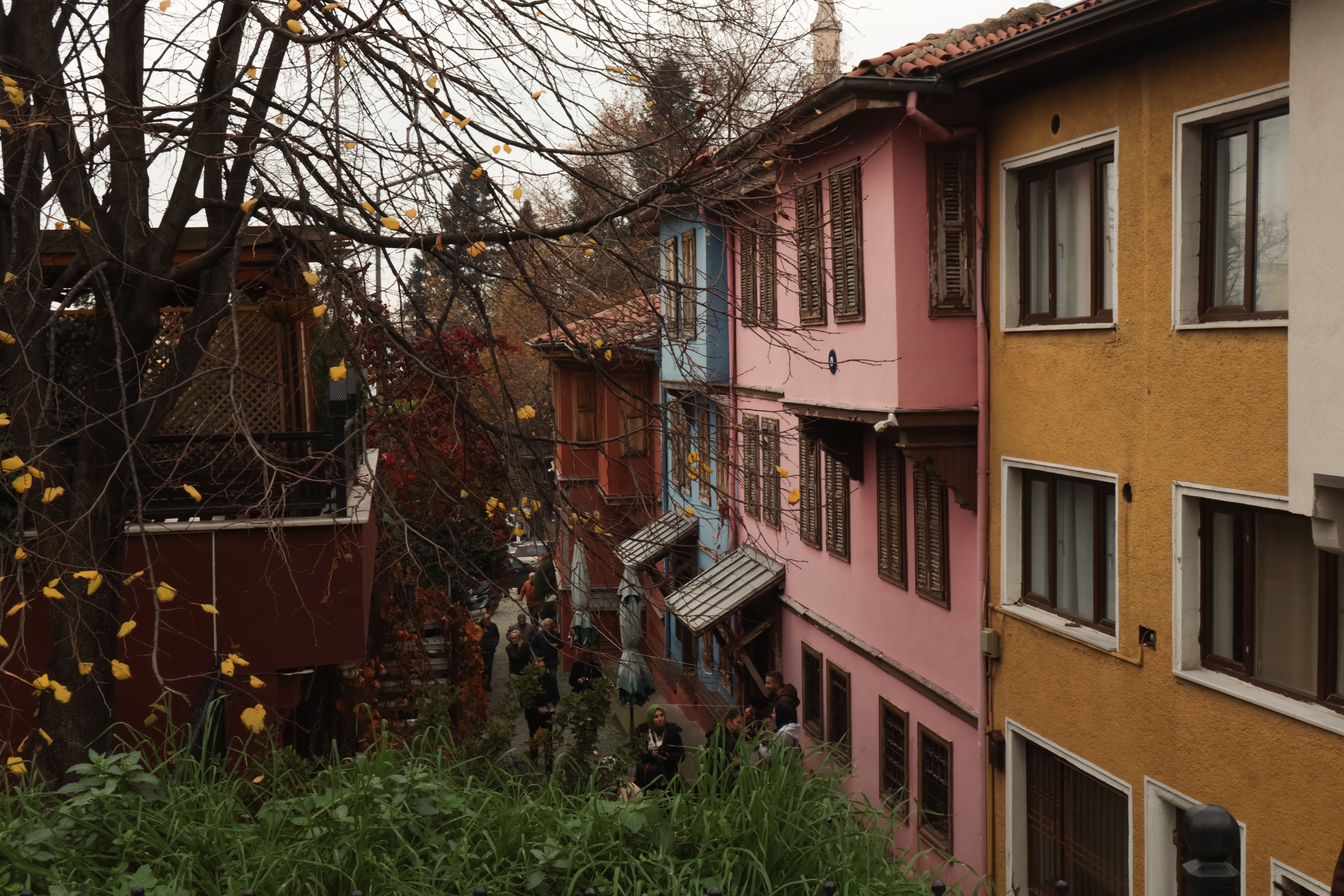
Charming view of colorful houses on a narrow street in Bursa, Türkiye during fall. · Nur

These two Bulgarian destinations could hardly be more different, which makes the choice refreshingly clear once you know what you want. Plovdiv is one of Europe's oldest continuously inhabited cities, a layered urban centre of Roman amphitheatres, pastel Revival-era mansions, and a pedestrian artists' quarter that hums with cafes and galleries. Bansko is a compact mountain town at the foot of the Pirin range, famous for the country's best ski slopes in winter and serious hiking in summer.

If your idea of a great trip involves history, food, wine, and wandering cobbled streets, Plovdiv wins easily. If you came for snow, peaks, mountain air, and the kind of town where everyone wears boots, Bansko is your place. The good news: they sit only about two hours apart by car, so an ambitious traveler can sample both.

Below we break down the decision by the factors that actually matter, with specifics on what you will see, eat, spend, and do in each.

Plovdiv vs Bansko

Plovdiv
Bansko
Vibe & first impressions
Plovdiv feels cultured and lived-in: the Roman theatre still hosts concerts, Kapana ('the Trap') is a grid of car-free lanes packed with bars and craft studios, and the Old Town climbs a hill of grand 19th-century merchant houses. It is a real city of around 340,000 people, with both polish and grit.
Bansko is a small town of a few thousand that swells in winter. Its cobbled old quarter centres on the stone Holy Trinity Church and clusters of mehana taverns, while a modern strip of hotels and ski rentals sprawls toward the gondola. The mood is relaxed, outdoorsy, and unpretentious.
Things to do
The headline acts are the remarkably preserved Roman Theatre of Philippopolis, the ancient stadium beneath the main pedestrian street, the Old Town's house-museums, and excellent galleries. Plovdiv was a 2019 European Capital of Culture and still trades on that creative energy.
Bansko revolves around the mountains: in winter the gondola whisks you to a ski area topping out near 2,600 metres; in summer you hike into Pirin National Park toward glacial lakes and the Vihren peak. The town museums (Neofit Rilski House) are a pleasant rainy-day backup, not the main draw.
Skiing & mountains
Plovdiv is a lowland city with no skiing of its own, though the Rhodope mountains and resorts like Pamporovo are within driving distance for a day trip.
This is Bansko's whole identity. It has Bulgaria's most modern lift system and longest descents, a reliable winter season roughly December to April, and apres-ski that ranges from cosy to raucous. In summer the same terrain becomes prime trekking country.
Food & nightlife
Plovdiv has the stronger and more varied dining scene: contemporary Bulgarian restaurants, wine bars pouring local Mavrud, and the buzzing nightlife of Kapana. It is a genuine evening-out city.
Bansko leans into hearty mountain fare served in traditional mehanas: grilled meats, Bansko-style sausages, beans, and rakia, often with live folk music. Nightlife is seasonal and ski-crowd driven, lively in peak winter and quiet in shoulder months.
Cost
Plovdiv is affordable by European standards, with reasonable hotels, cheap excellent coffee, and good-value restaurants, though prices sit above small-town rates.
Bansko is one of Europe's cheapest ski destinations, a major part of its appeal: lift passes, lessons, and lodging undercut the Alps dramatically. Off-season summer prices drop even further.
When to go
Plovdiv is a year-round city. Spring and autumn are ideal for strolling and festivals; summer is warm and lively but can be hot; winter is mild and atmospheric with fewer crowds.
Bansko is sharply seasonal. Come December to April for skiing, June to September for hiking and cool mountain air. The shoulder weeks (late spring, late autumn) can feel sleepy with lifts closed and many places shut.
Getting there & around
Plovdiv is about 90 minutes by car or bus from Sofia, with frequent connections, and has its own small airport. The centre is flat and very walkable.
Bansko is roughly two to three hours from Sofia by car or bus, the most practical gateway. The town itself is walkable, but you will want the gondola or a transfer to reach the slopes and trailheads.
Day trips
From Plovdiv you can reach the Bachkovo Monastery, the Rhodope villages, the Asen's Fortress, and Bulgaria's wine country with ease.
Bansko makes a fine base for the Rila Monastery, the seven Rila Lakes, and the spa town of Sandanski, plus endless Pirin trekking from your doorstep.

Plovdiv is best for

Choose Plovdiv if you want history, food, wine, galleries, and walkable city culture in any season.

Bansko is best for

Choose Bansko if you came for skiing, mountain hiking, fresh air, and bargain alpine value.

The Verdict

It genuinely depends on the trip you want, and the divide is clean. For culture, cuisine, and year-round city wandering, Plovdiv is the obvious pick; for snow, peaks, and outdoor adventure on a budget, Bansko wins. If your dates fall in deep winter and you crave slopes, go to Bansko; otherwise default to Plovdiv.

With only a couple of hours between them, the smartest plan may be to pair both: a few cultured days in Plovdiv, then the mountains of Bansko. Start mapping your route now.

Ready to book your trip?

Search Hotels
Search Homes

Traveling somewhere else?

Generate a custom itinerary