
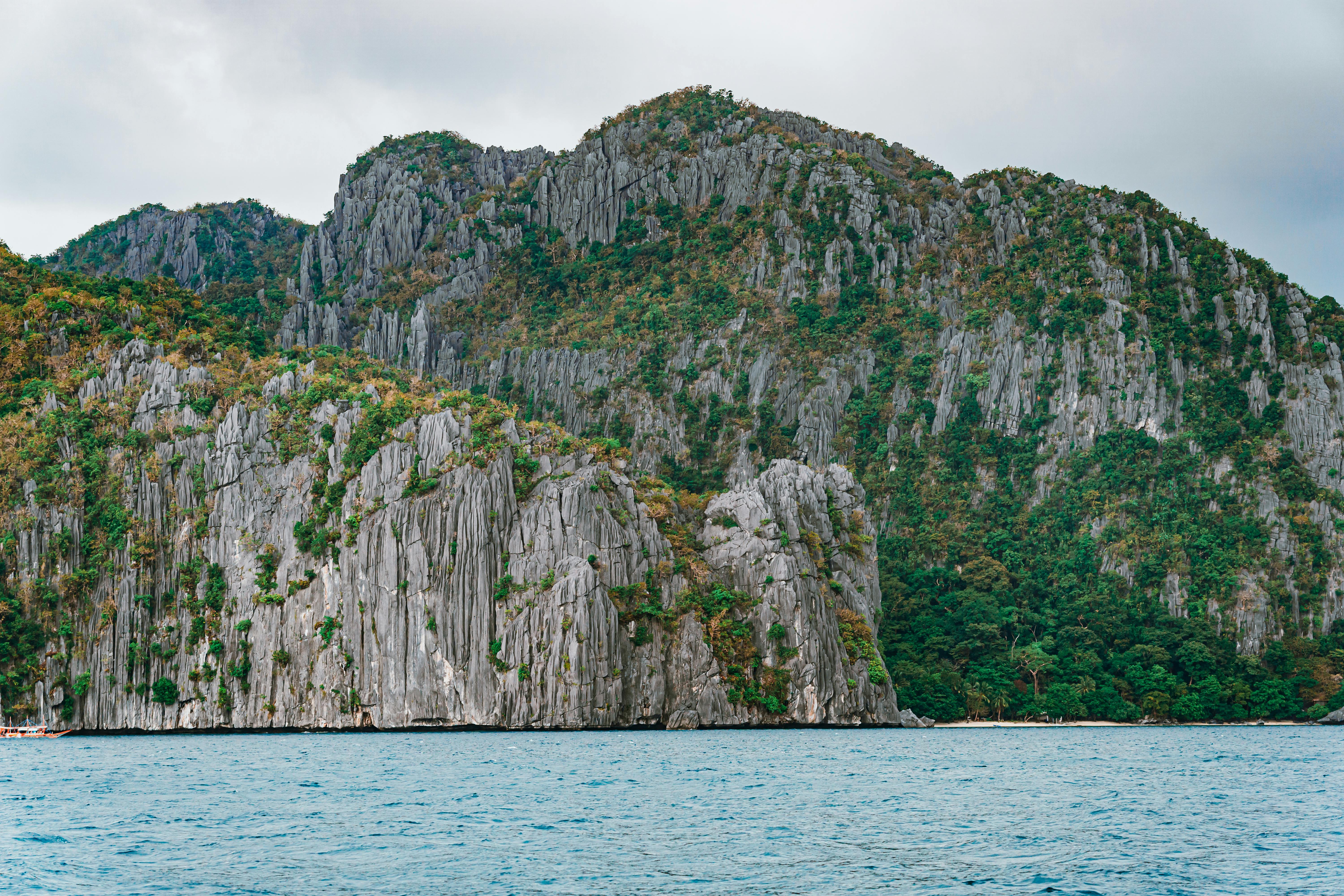
Stunning limestone cliffs with lush greenery by the blue ocean, creating a serene natural landscape.
Comparison

Palawan vs Manila: Which Side of the Philippines Should You Choose?

One is a chaotic megacity of history and food; the other is a string of jungle-clad islands and impossibly blue lagoons. Here is how to pick.

Last updated June 28, 20266 min read
Quick verdict

Choose Palawan for world-class islands, beaches, and lagoon-hopping in a slow tropical setting; choose Manila for history, food, nightlife, and as the practical hub you will pass through anyway.

This is not really a fair fight, and that is exactly why the comparison is useful. Palawan is the Philippines of postcards and screensavers: limestone islands rising out of turquoise water, hidden lagoons reached by outrigger boat, and beach towns where the day ends with a San Miguel and a sunset. Manila is the opposite energy entirely, a sprawling, loud, fascinating capital of 13-plus million people where Spanish colonial churches, malls the size of neighborhoods, and the country's best restaurants all jostle together.

Here is the honest catch: almost everyone flying into the Philippines from abroad lands in Manila anyway, because it is the main international gateway. So the real question is rarely Palawan instead of Manila. It is how much time, if any, you give the capital before or after you chase the islands, and whether Manila deserves a stay in its own right.

Pick based on what you actually want from the trip. If your dream is barefoot, water-first, and disconnected, Palawan wins in a landslide. If you love cities, food, history, and people-watching, or you just need a sane place to break a long journey, Manila has more to offer than its reputation suggests.

The island escape
Palawan
Lagoons · island-hopping · slow days
The capital gateway
Manila
History · food · big-city buzz
Head to head

Palawan vs Manila

Vibe & first impressions
Laid-back and nature-first. El Nido and Coron are small, scrappy beach towns where life revolves around boat trips and sunsets, while Puerto Princesa is a low-key transit base. Expect dirt roads, spotty wifi, and jaw-dropping scenery the moment you get on the water.
Intense, dense, and contradictory. Manila hits you with heat, traffic, and noise, then rewards you with crumbling Intramuros walls, glittering Makati and BGC skylines, and a street-food and bar scene that runs late. It is a city you either lean into or escape from.
Things to do
This is the headline act: island-hopping the lagoons and beaches of Bacuit Bay from El Nido, wreck-diving and lake-hopping around Coron, the Puerto Princesa Underground River (a UNESCO site), plus snorkeling, kayaking, and just doing very little on a sandbar.
City pursuits: walk or bike Intramuros and Fort Santiago, see San Agustin Church and Rizal Park, dig into the National Museum complex (free admission), shop the mega-malls, and bar-hop in Poblacion. Great for history and food, not for nature.
Beaches & water
Among the best in the world. Nacpan Beach, the lagoons of El Nido, Coron's Kayangan Lake and Twin Lagoon, and countless empty white-sand islets deliver clear, warm, swimmable water everywhere.
Effectively none worth visiting. Manila Bay is famous for its sunset, not its swimming. For real beaches you leave the city, with Batangas and Anilao a few hours south for diving.
Food & nightlife
Casual and seafood-led: grilled fish, fresh ceviche (kinilaw), beach-shack barbecue, and a handful of good cafes and cocktail bars in El Nido and Coron. Nightlife is relaxed beach bars, not clubs.
The country's culinary capital. From heritage Filipino spots and Binondo's Chinatown (the world's oldest) to high-end dining in BGC and Makati and the late-night bars of Poblacion, Manila easily out-eats Palawan.
Cost
Mid-range by Philippine standards. Island-hopping tours run roughly 1,200-2,000 pesos, decent beach hotels are higher than mainland equivalents, and flights plus boat transfers add up. Still affordable, but pricier per day than the city.
Generally cheaper day to day. Big-city competition means inexpensive eats, cheap Grab rides, and a wide range of hotels from budget to luxury. Your money stretches further here than in remote island towns.
Getting there & around
Fly in: Manila or Cebu connect to Puerto Princesa, El Nido (small airport), and Coron (Busuanga). Distances within Palawan are long and roads slow (Puerto Princesa to El Nido is a 5-6 hour van ride), so plan around flights and boats.
The main international gateway via Ninoy Aquino International Airport (NAIA), so you will likely transit here regardless. Getting around means Grab, the LRT/MRT, and patience: traffic is genuinely some of the worst in Asia.
When to go
Dry season, roughly December to May, is best for island-hopping and calm seas; March-May is hottest. The June-October wet season brings rougher water and canceled boat trips. Temperatures hover around 28-32°C year-round.
Also driest December to May. The June-October monsoon can flood streets and snarl already-bad traffic. Hot and humid all year, typically 28-34°C, with December-February the most comfortable.
Crowds & how long to stay
Worth 4-7 days minimum to justify the travel time; split between El Nido and Coron if you can. High season lagoons get busy, so book tours early. It rewards slow travel.
One to three days is plenty for most travelers, ideal as a stopover to see Intramuros, eat well, and catch your onward island flight. It is a city to sample rather than linger in.

Palawan is best for

beach lovers, divers, honeymooners, and anyone who wants world-class islands, lagoons, and slow tropical days over city life.

Manila is best for

travelers who love food, history, and urban energy, plus anyone simply transiting the country's main international hub and wanting a day or two of culture.

The verdict
First trip to the Philippines? Spend a night in Manila, then fly to Palawan.

For most visitors Palawan is the reason to come and Manila is the gateway you pass through, so give the islands the bulk of your days. That said, do not skip Manila entirely: one full day for Intramuros, the National Museum, and a great Filipino meal adds real depth and breaks up the journey. Choose Manila as your main destination only if cities, food, and history excite you more than beaches.

Sort out your island days first, then slot in a Manila stopover around your flights, and you will get the best of both the city and the sea.

Frequently asked questions

Is Palawan or Manila cheaper?
Manila is generally cheaper on a daily basis thanks to inexpensive food, Grab rides, and a huge range of hotels. Palawan costs more per day once you add flights, boat transfers, and island-hopping tours, though it is still affordable by international standards.
Can you visit both Palawan and Manila in one trip?
Yes, and most travelers do. Manila is the main international gateway and connects by short domestic flight to Puerto Princesa, El Nido, and Coron, so a common plan is a day or two in Manila plus 4-7 days in Palawan.
Which is better for beaches, Palawan or Manila?
Palawan, without question. It has some of the best beaches and lagoons in the world, while Manila has no real swimming beaches and is known only for its bay sunset.
How do you get from Manila to Palawan?
Fly. Domestic flights from Manila reach Puerto Princesa in about 75 minutes, with smaller airports serving El Nido and Coron (Busuanga). Within Palawan, expect long van rides or additional flights between towns.
Is Manila worth visiting, or should I skip straight to Palawan?
Manila is worth at least a day for its history (Intramuros, San Agustin Church), museums, and excellent food. If you have very limited time and only want beaches, you can transit quickly, but a short stay rewards anyone curious about Filipino culture.
Plan with MagicTrips

Build your own trip

Tell us how many days, your budget, and what you're into, and we'll build you a custom, day-by-day itinerary.

Ready to book your stay?

Hotels
Homes

Traveling somewhere else?

Generate a custom itinerary