
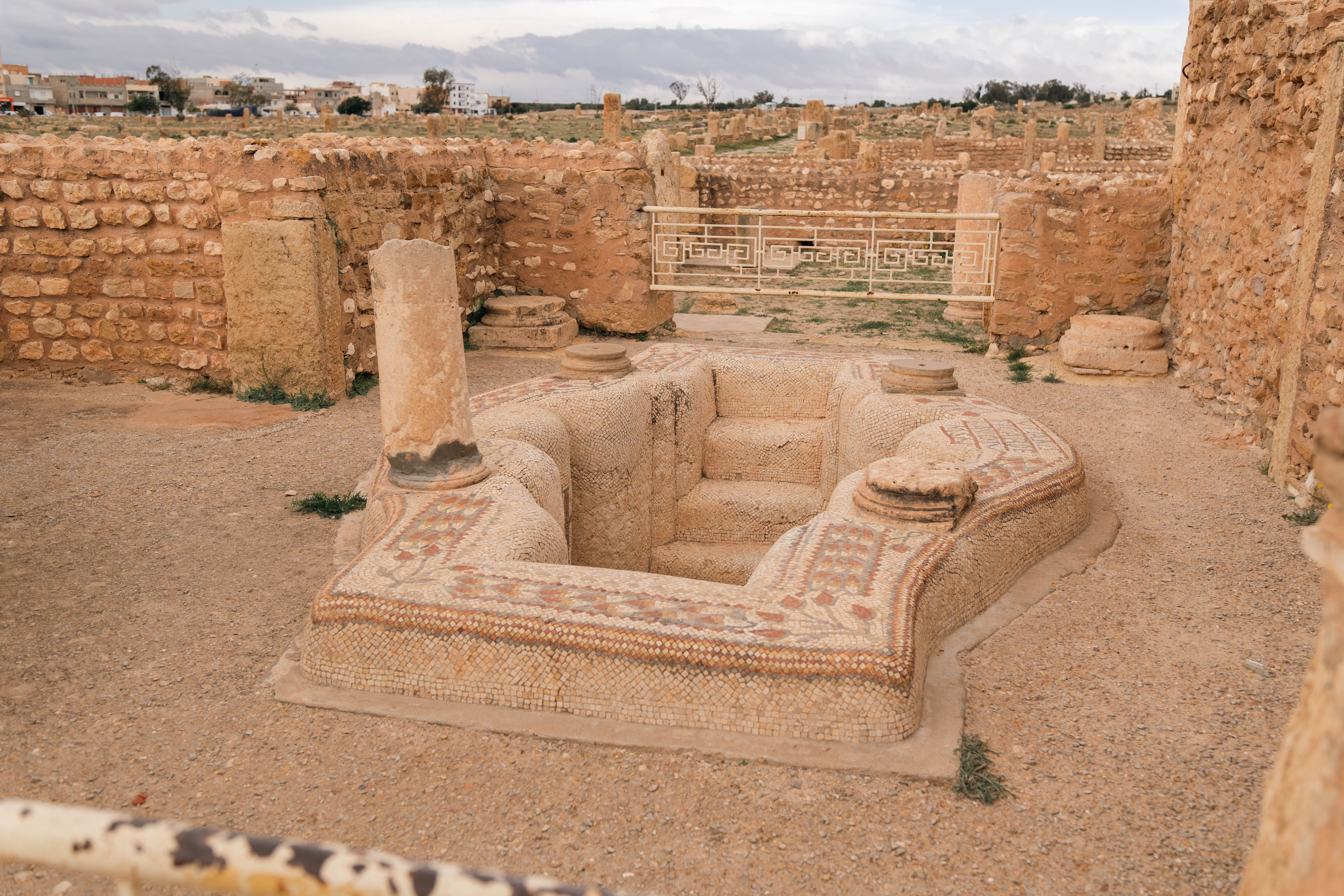
Explore ancient Roman ruins featuring intricate mosaics in Tunisia, capturing historical architecture and culture.
Comparison

Nicosia vs Paphos: Which Cyprus Destination Is Right for You?

The divided inland capital or the sun-baked coastal resort town? Here's how to choose between Cyprus's cultural heart and its Mediterranean playground.

Last updated July 18, 20266 min read
Quick verdict

Choose Paphos for beaches, ancient ruins, and an easy, sunny resort holiday; choose Nicosia for history, culture, food, and the fascinating experience of crossing between a divided city's two halves.

Cyprus packs remarkable variety into a small island, and nowhere illustrates that better than the gap between Nicosia and Paphos. One is the landlocked capital, the last divided city in Europe, where a UN buffer zone slices through a bustling working metropolis. The other is a sun-drenched coastal town on the southwest tip, built around ancient ruins, a fishing harbour, and beach resorts that fill with northern Europeans chasing winter sun.

This is not really a battle of like-for-like. Nicosia (Lefkosia to Greek Cypriots, Lefkoşa to Turkish Cypriots) offers depth, history, and everyday authenticity but no sea. Paphos delivers beaches, UNESCO archaeology, and easy holiday logistics but far less of the real, lived-in Cyprus. The right pick depends entirely on whether you want a culture-and-city break or a relaxed coastal escape.

The good news: they sit only about 90 minutes apart by road, so you don't have to choose forever. But if you're deciding where to base yourself, here's the honest breakdown.

The divided capital
Nicosia
History · culture · authentic city life
The coastal resort
Paphos
Beaches · ruins · resort ease
Head to head

Nicosia vs Paphos

Vibe & first impressions
Nicosia is a real, functioning capital with government offices, university students, and a maze-like old town ringed by Venetian walls. Ledra Street is the beating heart, ending at a pedestrian checkpoint where you can walk into the Turkish-controlled north. It feels authentic, occasionally gritty, and genuinely lived-in rather than staged for tourists.
Paphos splits into two moods: Kato Paphos by the harbour, where the archaeology and tourist restaurants cluster, and Ktima (the upper town) with local markets and everyday life. The overall feel is relaxed, sunny, and holiday-oriented, catering heavily to package tourists and long-stay retirees, especially British and Scandinavian.
Things to do
Nicosia is a museum-and-history city: the Cyprus Museum with the island's finest antiquities, the Byzantine icons at the Archbishop's Palace, the ornate Faneromeni and Ömeriye landmarks, and the striking Leventis Municipal Museum. The unmissable draw is crossing the Green Line to explore the north's Selimiye Mosque (a converted Gothic cathedral) and the buzzing Büyük Han caravanserai.
Paphos punches far above its size on ancient sites. The UNESCO-listed Paphos Archaeological Park has some of the finest Roman mosaics in the Mediterranean, and the Tombs of the Kings is a dramatic rock-cut necropolis. Add boat trips, the harbour castle, and Aphrodite's Rock down the coast, and you have easy, sun-lit sightseeing.
Beaches
None. Nicosia is landlocked in the centre of the island, the only European capital with no coastline of its own. The nearest proper beaches are around Larnaca, roughly 45 minutes to an hour away by car.
This is Paphos's trump card. Coral Bay is the star, a sheltered sandy crescent, while Blue Lagoon at Akamas (reached by boat or 4x4) is spectacular. Town beaches are more mixed sand and pebble, but the coastline is warm, swimmable, and a short walk from most hotels.
Food & nightlife
Nicosia has the island's most interesting food scene, from traditional meze tavernas to modern bistros and a genuine cafe culture around the old town. Nightlife leans local: wine bars, backstreet spots, and student energy rather than clubs. Crossing north adds excellent, cheap Turkish Cypriot grills and kebabs.
Paphos food is holiday-friendly and seafood-heavy along the harbour, though the touristy strip can feel generic; seek out tavernas in Ktima or nearby villages for the real thing. Nightlife centres on Bar Street in Kato Paphos, lively in summer but tamer than Ayia Napa. It's more sunset-drinks than late-night.
Cost
Nicosia is generally cheaper for eating and drinking because it serves locals, not tourists. A meze dinner or coffee costs noticeably less than the harbour restaurants in resorts. Accommodation is business-oriented and reasonably priced year-round.
Paphos ranges widely: package deals and off-season hotel rates can be very affordable, but harbour-front dining and peak summer prices climb. Self-catering apartments are plentiful and good value for longer stays.
When to go
Nicosia bakes in summer, regularly hitting 38-40C in July and August with no sea breeze to soften it, so spring (March-May) and autumn (October-November) are far more comfortable for walking the old town. Winters are mild and pleasant for sightseeing.
Paphos enjoys the island's mildest climate, with warm sea temperatures from June into November and gentle winters that draw sun-seekers year-round. Peak beach season is May to October; even January stays around 17-18C by day.
Getting there & around
Nicosia has no airport of its own; most visitors fly into Larnaca (about 45 minutes away) and drive or take a bus. The old town is very walkable, but a car helps for day trips. Everything of interest is compact and pedestrian-friendly.
Paphos has its own international airport just 15 minutes from town, with plentiful budget flights from the UK and Europe, making it the easier arrival point for many. The town spreads out, so a rental car or taxis help, though the harbour area is walkable.
Day trips
From Nicosia you can reach the frescoed churches and villages of the Troodos Mountains, the north's Kyrenia and Famagusta (via border crossings), and the coast at Larnaca. It's a strong base for understanding the whole island.
Paphos is the gateway to the wild Akamas Peninsula, the Baths of Aphrodite, hillside wine villages like Omodos, and the Troodos foothills. Boat trips to the Blue Lagoon are a highlight.

Nicosia is best for

history buffs, culture travelers, and curious visitors who want authentic city life, great food, and the unique experience of crossing a divided capital.

Paphos is best for

beach lovers, families, and anyone wanting an easy, sunny resort holiday with world-class ancient ruins a short walk from the sand.

The verdict
Want beaches and easy sun? Pick Paphos. Want culture and real Cyprus? Pick Nicosia.

For most holidaymakers, Paphos wins on beaches, weather, ancient sites, and painless airport logistics, making it the obvious base for a relaxing week. Nicosia is the smarter choice for travelers hungry for history, food, and the layered, divided-city story that no beach resort can match. With just 90 minutes between them, the best answer is often to base in Paphos and give Nicosia a full day trip.

Whether you're drawn to Paphos's beaches or Nicosia's divided-city intrigue, Cyprus makes it easy to sample both. Map out your days, book a rental car, and let the island's compact geography do the rest.

Frequently asked questions

Is Nicosia or Paphos cheaper?
Nicosia is generally cheaper for food and drink because it caters to locals rather than tourists, and crossing to the northern side offers especially good value. Paphos accommodation can be very cheap off-season through package deals, but harbour dining and peak-summer prices run higher.
Which is better for families?
Paphos is the stronger family choice thanks to its beaches, warm shallow bays like Coral Bay, resort pools, and boat trips. Nicosia has excellent museums and history but no sea and less to keep young children entertained.
Can you visit both Nicosia and Paphos in one trip?
Yes, easily. They are about 90 minutes apart by car or bus, so many travelers base themselves in Paphos for the coast and take a day trip to Nicosia to explore the old town and cross the Green Line.
Does Nicosia have beaches?
No. Nicosia is landlocked in the center of the island, the only European capital without a coastline. The nearest beaches are around Larnaca, roughly 45 minutes to an hour away by car.
Which city has better ancient ruins?
Paphos is unmatched for archaeology, with the UNESCO-listed Paphos Archaeological Park's Roman mosaics and the Tombs of the Kings. Nicosia's strength is museums, Byzantine art, and medieval architecture rather than open-air ancient sites.
Plan with MagicTrips

Build your own trip

Tell us how many days, your budget, and what you're into, and we'll build you a custom, day-by-day itinerary.

Ready to book your stay?

Hotels
Homes

Traveling somewhere else?

Generate a custom itinerary