Vibe & first impressions
Madrid feels like a proper capital: confident, unpretentious, and relentlessly social, with elegant squares like Plaza Mayor and Puerta del Sol and leafy escapes in Retiro Park. It is less obviously 'pretty' than Barcelona but grows on you fast through its energy and warmth.
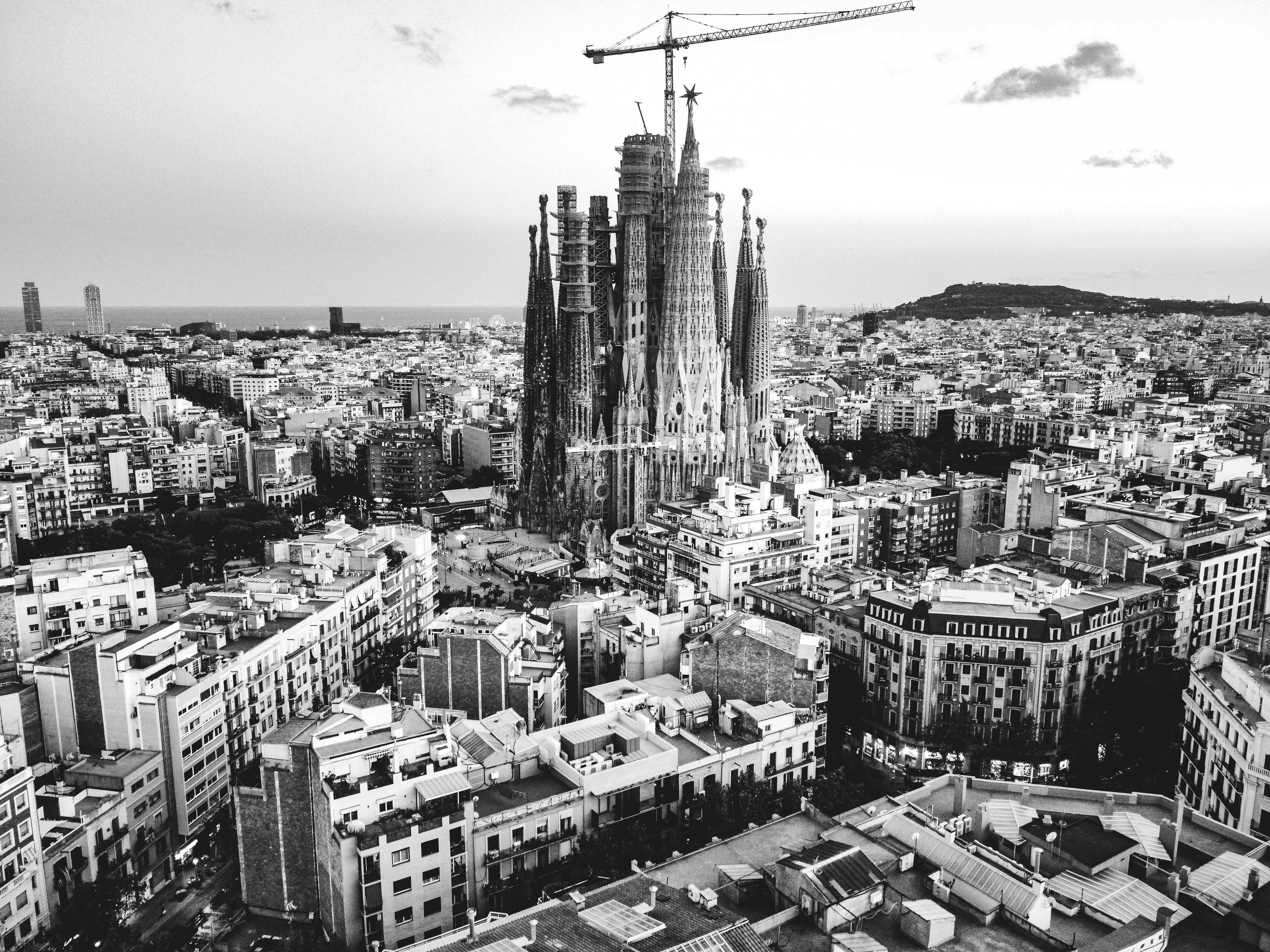
Barcelona dazzles immediately, with the Sagrada Família, the wavy facades of Passeig de Gràcia, and the medieval lanes of the Gothic Quarter all within reach. The flip side is that the center can feel like a theme park in peak season, and locals have grown weary of overtourism.
Art & sights
Madrid's Golden Triangle is the heavyweight draw: the Prado (Velázquez, Goya), the Reina Sofía (Picasso's Guernica), and the Thyssen-Bornemisza, all walkable from each other. Add the opulent Royal Palace and you have one of Europe's deepest cultural concentrations.
Barcelona's sights are architecture-led and unmistakable: Sagrada Família, Park Güell, Casa Batlló, and La Pedrera, plus the Picasso Museum and the Gothic cathedral. Book Gaudí sites well ahead, as timed tickets routinely sell out days in advance.
Beaches
Madrid has no coast, full stop. It compensates with Río park along the Manzanares and the enormous Madrid Río urban beach-style pools, but if sand and sea are non-negotiable, this is a deal-breaker.
Barcelona's Barceloneta and the beaches stretching northeast give you a genuine swim-and-sunbathe city break. The water is decent, the chiringuitos are fun, and you can go from a Gaudí morning to the Mediterranean by afternoon.
Food & tapas
Madrid is a glorious eater's city: cocido madrileño, bocadillo de calamares near Plaza Mayor, jamón, and the buzzing Mercado de San Miguel, plus pockets like La Latina for Sunday tapas crawls. It draws the best of all of Spain into one place.
Barcelona leans Catalan and seafood-forward: pa amb tomàquet, fideuà, escalivada, and excellent vermouth culture, with the historic Boqueria market off Las Ramblas (touristy but real edges remain). Reserve standout spots, as walk-ins are tough in season.
Nightlife
Madrid is arguably Spain's nightlife capital, where dinner starts late and bars in Malasaña, Chueca, and La Latina spill into clubs that don't peak until 3am. It is unmatched for sheer late-night energy across all ages.
Barcelona's nightlife is more about beach clubs, rooftop bars, and big electronic venues near the waterfront like those at Port Olímpic. It's excellent, but a touch more scene-driven and tourist-heavy than Madrid's neighborhood sprawl.
Cost
Madrid is generally the better value of the two, with hotels and dining often cheaper, especially away from the center. Museum prices are reasonable, and several offer free evening entry windows.
Barcelona runs pricier, driven by tourist demand: hotels, top restaurants, and Gaudí tickets add up. A tourist tax applies on accommodation and has been rising.
When to go
Spring (April-June) and autumn (September-October) are ideal in Madrid; July and August bring fierce, dry heat that empties the city as locals flee. Winters are cold but bright and far less crowded.
Barcelona shines May-June and September, with warm sea and slightly thinner crowds than peak July-August (when it is hot, humid, and packed). The sea stays swimmable into October, a real plus over Madrid.
Getting there & around
Madrid-Barajas is a major hub with broad long-haul connections, and the Metro is cheap, clean, and extensive. The city center is very walkable and flat-ish.
Barcelona-El Prat is well connected across Europe, and its Metro plus the grid layout of the Eixample make it easy to navigate. Watch for pickpockets on Las Ramblas and crowded Metro lines, a persistent issue.
Day trips
Madrid is the better base for classic Castilian day trips: Toledo, Segovia (with its Roman aqueduct), El Escorial, and Ávila are all short train rides away. The central location opens up much of Spain.
Barcelona's day trips are scenic and varied: the surreal monastery of Montserrat, the beaches and Roman ruins of Tarragona, the wine country of Penedès, and the artsy coast around Sitges or the Costa Brava.