
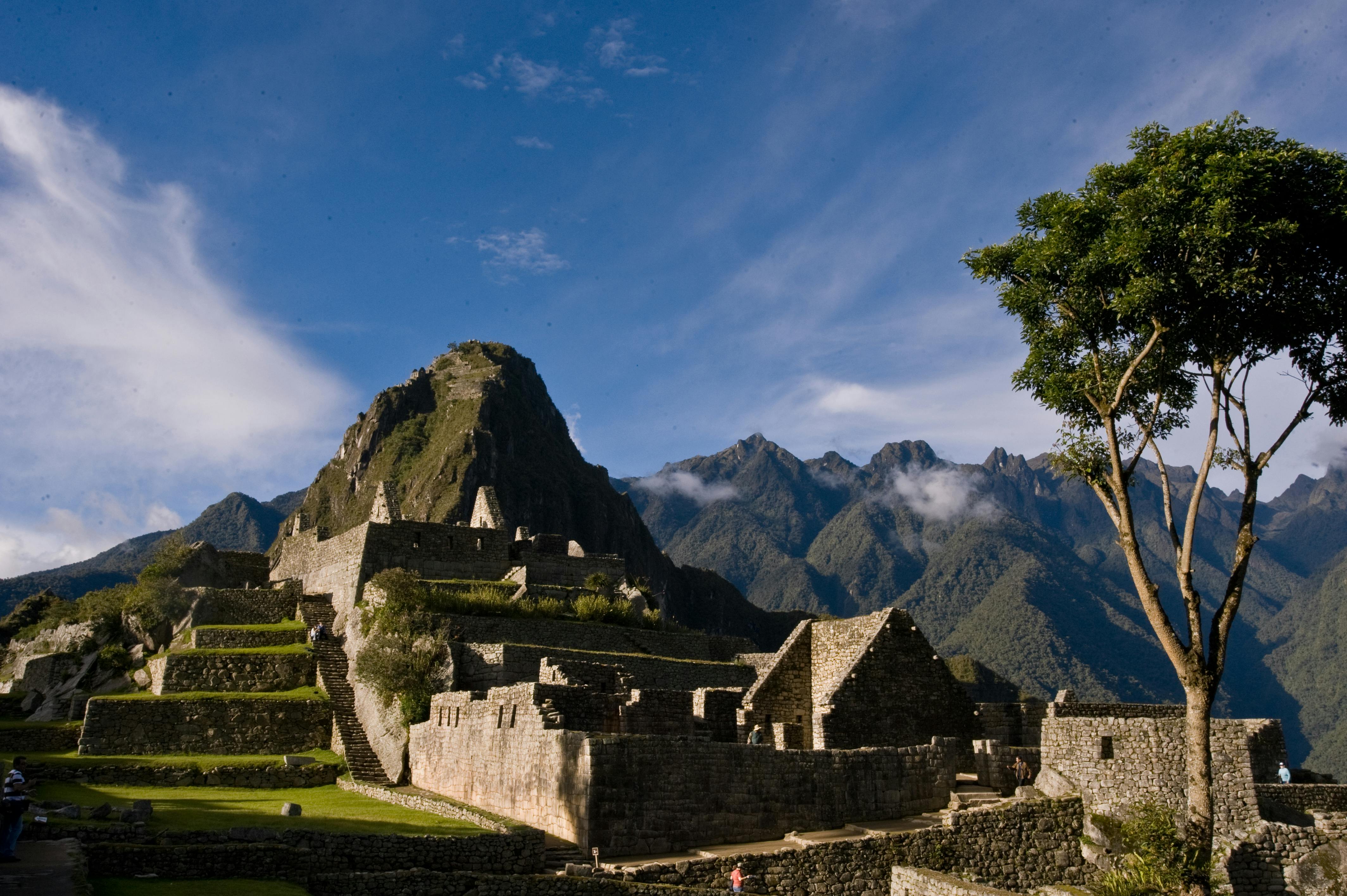
Gorgeous daytime view of Machu Picchu's ancient ruins in Peru against a mountainous backdrop.
Comparison

Lima vs Cusco: Which Peruvian City Should You Visit?

One is a sprawling coastal capital famous for food; the other is a high-altitude Andean gateway to Machu Picchu. Here is how to choose.

Last updated July 2, 20266 min read
Quick verdict

Choose Cusco if your priority is Machu Picchu, Inca history, and the Sacred Valley; choose Lima for world-class food, coastal city life, and an easy sea-level landing, and if you have a week, do both.

Most Peru itineraries touch both Lima and Cusco, but they feel like different countries. Lima is a vast, sea-hugging capital of roughly 10 million people, home to some of the best restaurants on Earth and a foggy Pacific coastline. Cusco is a compact former Inca capital perched at around 3,400 meters in the Andes, laced with cobbled lanes, Spanish-colonial churches built on Inca stone, and the launchpad for Machu Picchu and the Sacred Valley.

If your trip is short and Machu Picchu is the goal, the math usually favors Cusco and its surroundings. If you are a serious eater, want ocean air, or are easing into the country before heading up, Lima earns its days. The honest catch is altitude: Cusco can knock you flat for a day, while Lima sits at sea level and asks nothing of your lungs.

Below we break down the decision by the factors that actually matter: vibe, things to do, food, altitude and health, cost, weather, and how the two connect.

The coastal capital
Lima
Food · coast · big-city energy
The Andean gateway
Cusco
Ruins · altitude · Machu Picchu base
Head to head

Lima vs Cusco

Vibe & first impressions
Lima is a sprawling, layered metropolis where seaside Miraflores and bohemian Barranco feel worlds apart from the colonial-grand Centro Histórico. Grey coastal fog (the garúa) hangs much of the year, but the clifftop Malecón walk above the Pacific is a genuine highlight.
Cusco is smaller, walkable, and instantly atmospheric, with terracotta roofs, the arcaded Plaza de Armas, and Inca walls like the famous twelve-angled stone. It feels historic and touristy in the center but deeply Andean the moment you climb toward San Blas or leave town.
Things to do
Lima leans museums, neighborhoods, and eating: the Larco Museum's pre-Columbian collection, the catacombs of the San Francisco monastery, paragliding off the Miraflores cliffs, and gallery-and-mural strolls in Barranco.
Cusco is the base for the region's blockbusters: Machu Picchu (via train from Ollantaytambo or the Inca Trail), the Sacred Valley towns of Pisac and Ollantaytambo, Sacsayhuamán above the city, and Rainbow Mountain. There is more bucket-list sightseeing here than anywhere else in Peru.
Food & dining
Lima is the culinary capital of South America, with multiple entries on the World's 50 Best list (Central, Maido, Kjolle) plus superb ceviche cebicherías, Nikkei and Chifa cooking, and pisco bars. If food is why you travel, Lima is the reason to add days.
Cusco eats well but on a smaller stage: Andean staples like cuy, alpaca, and hearty soups, standout spots such as Cicciolina and Chicha, and lively San Pedro Market. Excellent, just not the global-fine-dining scene Lima offers.
Altitude & health
Lima sits at sea level, so there is zero altitude concern; it is the gentle place to start or end a trip and let your body rest. Many travelers deliberately land here first.
Cusco's 3,400 meters can cause altitude sickness (headache, breathlessness, poor sleep) for a day or two. Arrive slowly if you can, hydrate, go easy on alcohol, and consider sleeping lower in the Sacred Valley (around 2,800 meters) first.
Cost
Lima is Peru's priciest city overall, and its top restaurants can rival prices anywhere, though street food and menús del día stay cheap. Mid-range hotels and taxis cost more than in the Andes.
Cusco is generally cheaper for lodging and meals, but the marquee experiences add up fast: Machu Picchu trains and entry, guided treks, and Sacred Valley tours are where budgets balloon. Budget several hundred dollars just for the Machu Picchu day.
When to go
Lima is coolest and foggiest from roughly June to October, and sunniest from December to April. There is no real rainy season, just a lot of low grey cloud in winter.
Cusco's dry season (May to September) is prime for trekking and clear ruins, with cold nights and sunny days; the wet season (November to March) is greener and quieter but muddier, and the Inca Trail closes every February for maintenance.
Getting there & around
Lima's Jorge Chávez airport is Peru's main international hub, so most trips begin here. The city is spread out, so expect taxis or rideshares between neighborhoods rather than walking everywhere.
Cusco is a roughly 1 hour 20 minute flight from Lima and connects onward by train and shuttle to Machu Picchu. The historic center is walkable, but reaching the Sacred Valley and trailheads means colectivos, taxis, or organized tours.
Day trips
Lima's day trips are modest: the Palomino Islands boat tour to see sea lions, the pre-Inca pyramid of Pachacamac, or a coastal drive. Most people treat Lima as a city stay, not a hub.
Cusco is one of the best bases in South America for day trips: the Sacred Valley, Maras salt pans and Moray terraces, Rainbow Mountain, and of course Machu Picchu itself. The surrounding region is the main event.

Lima is best for

food lovers, first- or last-night landings at sea level, and travelers who want big-city culture and Pacific coast air.

Cusco is best for

anyone here for Machu Picchu, Inca history, and the Sacred Valley, plus trekkers and mountain-town atmosphere.

The verdict
Short on time? Cusco wins. Serious about food or altitude? Start in Lima.

If you have to pick one and Machu Picchu is on the list, base yourself in Cusco and the Sacred Valley, since almost nothing here can be replicated in the capital. If you are a dedicated eater, nervous about altitude, or arriving late, give Lima two or three days first to acclimate your appetite and your body before heading up. With a week you can comfortably do both, and most travelers should.

Sketch out how many days you have and whether Machu Picchu is non-negotiable, and the Lima-versus-Cusco question mostly answers itself; with a week, string them together and get the best of both.

Frequently asked questions

Is Lima or Cusco cheaper?
Everyday costs like hotels, taxis, and meals tend to be lower in Cusco, but Cusco's headline experiences (Machu Picchu trains and entry, guided treks, and tours) push its trip total higher. Lima's fine dining is expensive, yet its street food and set-lunch menús are very affordable.
Should I go to Lima or Cusco first to handle altitude?
Landing in Lima first is the gentler option because it sits at sea level and lets you rest before the Andes. If you fly straight to Cusco's 3,400 meters, take it slow for a day or two, hydrate, and consider sleeping lower in the Sacred Valley to acclimatize.
Can you visit both Lima and Cusco in one trip?
Yes, and most Peru itineraries do. Flights between them take about 1 hour 20 minutes, so a common plan is a couple of days in Lima, then four or five days built around Cusco, the Sacred Valley, and Machu Picchu.
Which city is better for food, Lima or Cusco?
Lima, clearly. It is South America's culinary capital, with several World's 50 Best restaurants and legendary ceviche, while Cusco offers good Andean cooking but nothing close to Lima's global dining scene.
Do I need to stay in Cusco to see Machu Picchu?
You do not have to sleep in Cusco itself, but you need to be in the Cusco region, since trains to Machu Picchu depart from Ollantaytambo or Poroy near the city. Many travelers stay in the Sacred Valley or Aguas Calientes to shorten travel and ease altitude.
Plan with MagicTrips

Build your own trip

Tell us how many days, your budget, and what you're into, and we'll build you a custom, day-by-day itinerary.

Ready to book your stay?

Hotels
Homes

Traveling somewhere else?

Generate a custom itinerary