Vibe & first impressions
Lagos is a small, walkable Algarve town with a pretty cobbled old quarter, a marina, and a relaxed, sun-and-sea holiday energy. In summer it buzzes with international visitors; out of season it slows to a sleepy coastal pace.
Porto is a layered, hilly city that climbs up from the Douro, full of azulejo-tiled facades, hidden viewpoints (miradouros), and a slightly weathered, romantic grandeur. It feels like a real lived-in city, not a resort.
Beaches
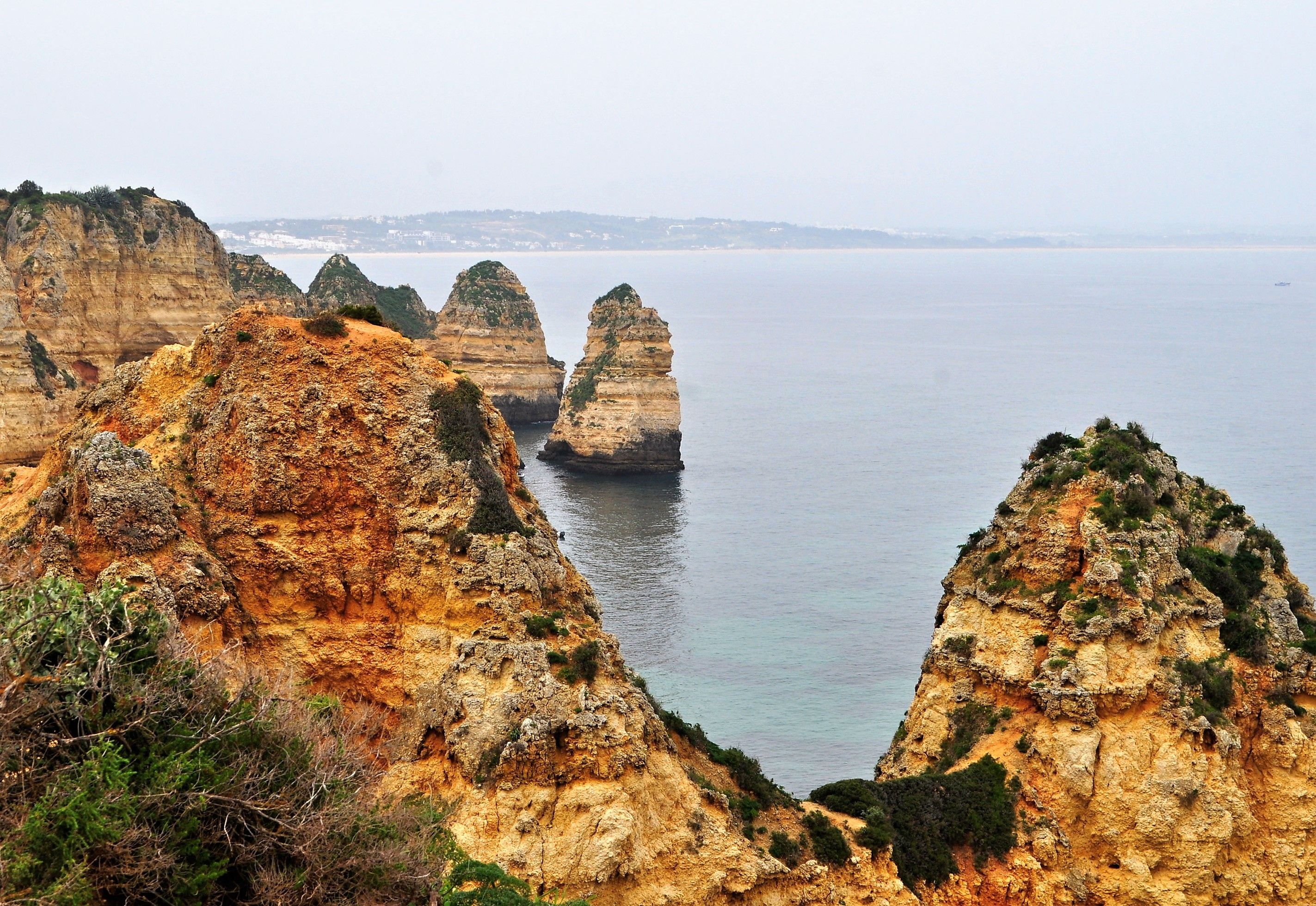
This is Lagos's trump card. Praia Dona Ana, Praia do Camilo, and the cliffs of Ponta da Piedade are among the most photogenic in Europe, and Meia Praia offers a long, easy stretch of sand. The water is clear and swimmable in the warm months.
Porto is a river city, not a beach town. There are urban beaches at Foz do Douro and Matosinhos reachable by tram or metro, but the Atlantic here is cold, often windy, and better for a seaside stroll and seafood lunch than sunbathing.
Things to do
Beyond the beaches, Lagos offers kayaking and boat tours through the grottoes at Ponta da Piedade, dolphin-watching, surfing nearby, and a historic center with the old slave-market site and Igreja de Santo Antonio. It's outdoor and coast-focused.
Porto is dense with sights: the Livraria Lello bookshop, Sao Bento station's tiled hall, the Clerigos Tower, the Ribeira waterfront, and a string of port lodges across the river in Vila Nova de Gaia. Culture, architecture, and food fill the days easily.
Food & nightlife
Lagos eats well on grilled fish, cataplana, and fresh seafood, with a lively but compact bar scene around the old town that peaks hard in summer and quiets in winter. It's social and beachy rather than sophisticated.
Porto is a serious food-and-drink city: francesinha sandwiches, fresh seafood, the cellars of port wine in Gaia, and a creative restaurant and natural-wine scene. Nightlife runs year-round, from the bars of Rua Galeria de Paris to riverside spots.
Cost
In peak summer Lagos can be pricey for accommodation, as Algarve demand spikes; shoulder and winter months are much cheaper. Food and drink are reasonable by Western European standards.
Porto generally offers better value year-round for dining, wine, and city accommodation, though prices have risen with its popularity. Your euro stretches noticeably further at the table here.
When to go
Lagos is at its best from late May through September for reliable beach weather, with July and August the hottest and busiest. Spring and autumn are pleasant and quieter; winter is mild but many beach businesses scale back.
Porto is a year-round destination, lovely in spring and autumn and atmospheric even in its rainier winter. Summer is warm but rarely scorching, and the city absorbs crowds better than a small beach town.
Getting there & around
Lagos has no airport of its own; most travelers fly into Faro (about 90 minutes away) then take a train, bus, or transfer. Once there, the town is easily walkable, though a car helps for exploring the wider Algarve coast.
Porto has its own international airport with direct flights across Europe, plus excellent train links to Lisbon and beyond. In the city, a metro, buses, and historic trams mean you won't need a car at all.
Day trips
From Lagos you can reach the dramatic cliffs of Sagres and Cape St. Vincent, the beaches and caves of Benagil, the town of Silves with its castle, and quieter western coves along the Costa Vicentina.
Porto is the gateway to the terraced vineyards of the Douro Valley (by train, car, or river cruise), plus historic Guimaraes, university-town Coimbra, and the seaside resort of Aveiro with its canals.
Crowds
In July and August Lagos and its beaches get genuinely packed, with Praia do Camilo's small cove filling early. Outside peak season it feels calm and uncrowded.
Porto draws steady tourism year-round and the central Ribeira and Lello bookshop can feel crowded, but the city is large enough to find quiet corners and breathing room.