Vibe & first impressions
Kyoto is refined, reserved, and steeped in tradition: wooden machiya townhouses, moss gardens, and the hush of temple courtyards. It rewards slow wandering, especially in districts like Gion, Higashiyama, and Arashiyama.
Osaka is loud, warm, and unpretentious, the friendliest big city in Japan. Neon screams over the Dotonbori canal, strangers chat easily, and the whole place feels built for fun rather than reverence.
Things to do
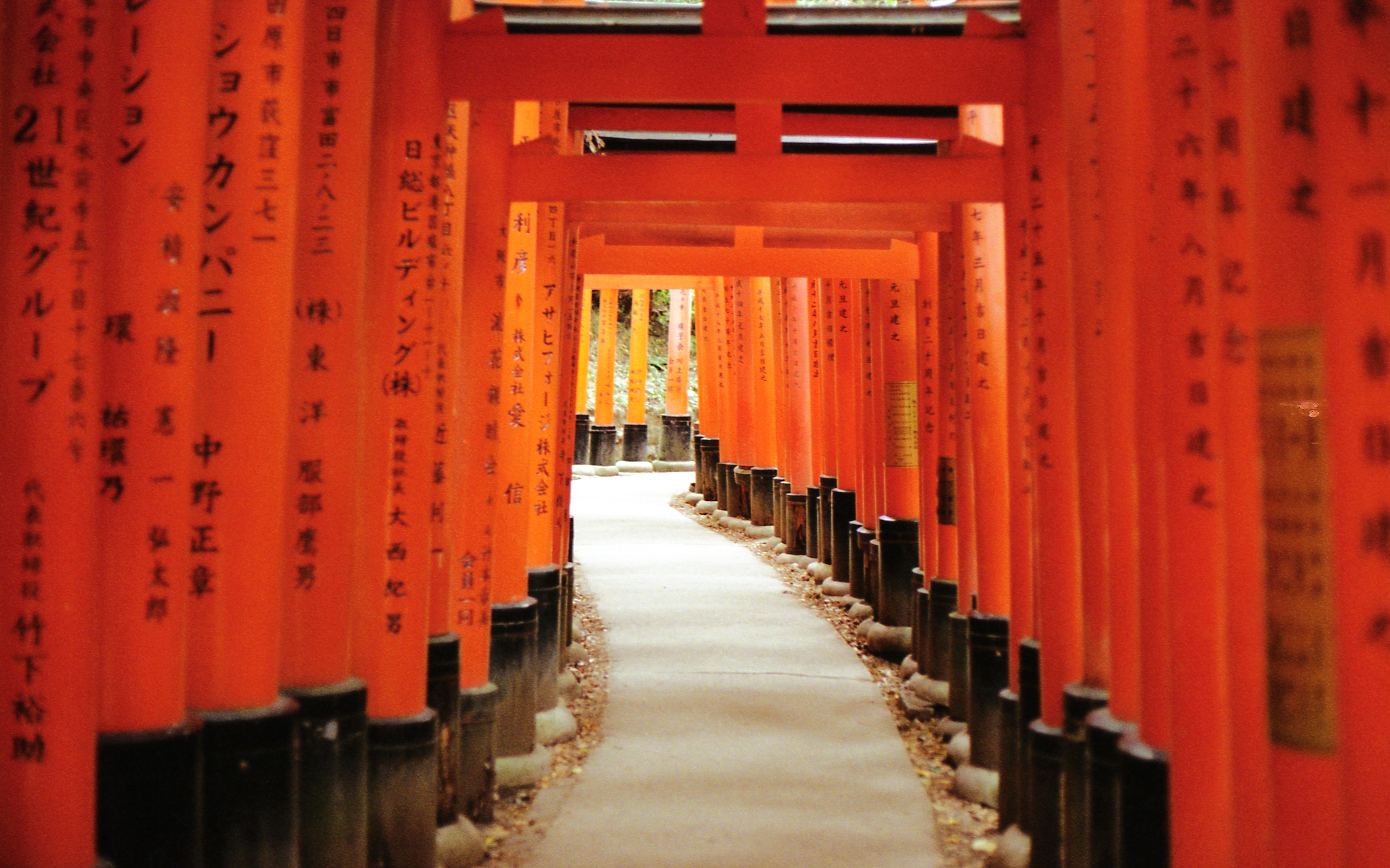
Kyoto is a near-bottomless well of sights: the vermilion torii tunnels of Fushimi Inari, golden Kinkaku-ji, the bamboo grove and monkey park of Arashiyama, Kiyomizu-dera's hillside terrace, and dozens of quieter temples and gardens. It is the headline reason most people come to the region.
Osaka's attractions lean modern and playful: Osaka Castle, the aquarium Kaiyukan, the Umeda Sky Building, and Universal Studios Japan (home to Super Nintendo World). Sightseeing is lighter, but the city itself, especially Dotonbori and Shinsekai, is the main event.
Food & nightlife
Kyoto specializes in subtle, elegant eating: multi-course kaiseki, tofu and vegetarian Buddhist cuisine (shojin ryori), matcha sweets, and refined tea houses. Nightlife is low-key, centered on the atmospheric Pontocho alley and Kiyamachi's riverside bars.
Osaka is Japan's street-food capital, the birthplace of takoyaki and okonomiyaki, plus skewered kushikatsu in Shinsekai. Nightlife is the city's heartbeat: Dotonbori and the Namba bars roar until dawn, and a few hours here will out-eat and out-party a week in Kyoto.
Cost
Kyoto is the pricier base, with higher hotel rates and premium kaiseki dinners that can run very high. Temple entry fees add up, and peak-season rooms book out early at a premium.
Osaka is noticeably better value: cheaper, more plentiful hotels around Namba and Umeda, and some of the best cheap eats in the country. Your yen stretches further here, especially on food and accommodation.
Crowds
Kyoto's fame is also its burden: Fushimi Inari, Arashiyama, and Higashiyama can be jammed, particularly in cherry blossom (late March to early April) and autumn foliage (November). Dawn visits and lesser-known temples are the only real escape.
Osaka draws huge crowds too, but they cluster in Dotonbori and around Universal Studios, leaving much of the city breathable. The energy feels celebratory rather than congested, and it rarely feels like you are queuing to see things.
Getting there & around
Kyoto sits on the Tokaido Shinkansen, so it is a direct bullet-train arrival from Tokyo. Within the city, buses are essential for many temples and can be slow and crowded; the subway is limited, so expect plenty of walking.
Osaka has its own international airport (Kansai, KIX) plus the Shinkansen at Shin-Osaka, making it the easier arrival point from abroad. Its subway network is dense and efficient, so getting around is faster and simpler than in Kyoto.
Day trips & as a base
Kyoto is a superb base for Nara (great deer park and the giant Buddha at Todai-ji) and Osaka, both well under an hour away. It works best if temples and traditional culture top your list.
Osaka is arguably the better hub: central to Kyoto, Nara, Kobe (for beef and Mount Rokko), and Himeji's spectacular white castle, with the airport on its doorstep. Cheaper hotels make it a smart, practical home base for the whole region.
When to go
Kyoto is at its most magical, and most crowded, during sakura in early April and koyo foliage in November; book months ahead. Summer is hot and humid, but evening illuminations and festivals like Gion Matsuri (July) reward the heat.
Osaka follows the same seasonal pattern but is less dependent on blossoms, so it is a more flexible year-round pick. The Tenjin Matsuri river festival in late July is a spectacular reason to time a visit.