✦ Quick verdictChoose Kuala Lumpur for a vibrant big-city trip of food, shopping, and nightlife with easy connections; choose Kuching for orangutans, national parks, and a slower, cheaper Borneo base steeped in indigenous culture.
These two Malaysian cities sit on opposite sides of the South China Sea and feel like different countries. Kuala Lumpur, on the peninsula, is the glittering capital: a dense, multicultural metropolis of skyscrapers, hawker stalls, and mega-malls. Kuching, the capital of Sarawak on the island of Borneo, is a slow-paced river town that serves as the gateway to rainforest, orangutans, and indigenous longhouse culture.
The choice usually comes down to what kind of trip you want. KL is the easy, well-connected, big-city break with the country's deepest concentration of food, nightlife, and day trips. Kuching is the nature-and-culture base, smaller and gentler, where the headline acts are wild animals and national parks rather than towers and clubs.
The good news: they pair beautifully. A short domestic flight links them, and many travelers do both. But if you only have time for one, here is how they really differ.
The Borneo river city
Kuching
Wildlife · river calm · culture
The capital
Kuala Lumpur
Skyscrapers · food · shopping
✦ Head to head
Kuching vs Kuala Lumpur
Vibe & first impressions
Kuching is compact, green, and unhurried, built along the Sarawak River with a breezy waterfront promenade, restored shophouses, and quirky cat statues (the name sounds like the Malay word for cat). It feels safe, friendly, and refreshingly untouristy.
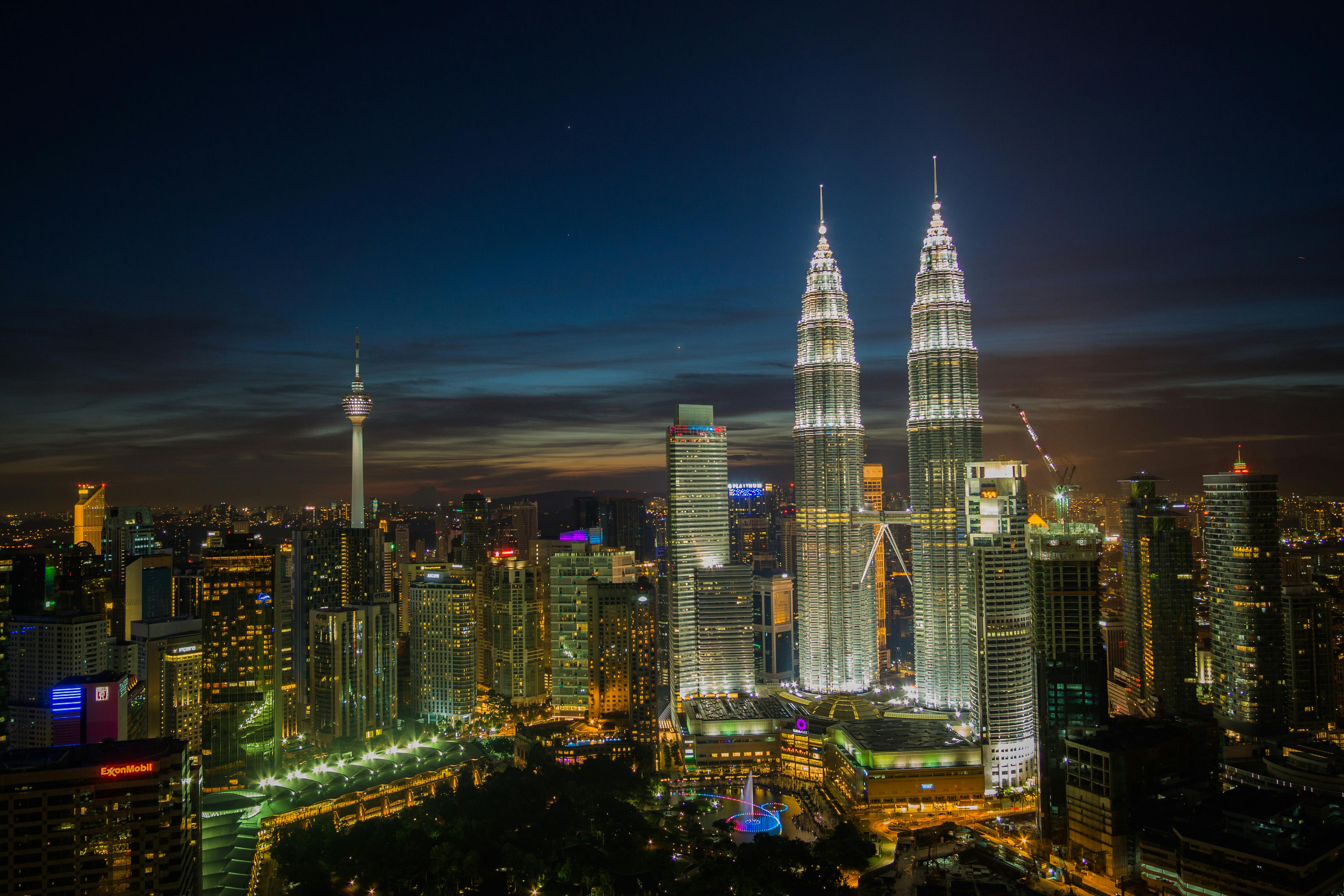
Kuala Lumpur hits you with scale: the Petronas Twin Towers and KL Tower puncture the skyline, monorails glide overhead, and the streets buzz with traffic and humidity. It is energetic, cosmopolitan, and occasionally chaotic, a true Southeast Asian capital.
Things to do
The draws are largely natural and cultural: see semi-wild orangutans at Semenggoh Nature Reserve, explore Bako National Park's beaches and proboscis monkeys, visit Iban or Bidayuh longhouses, and wander the Sarawak Museum and old Chinatown. It rewards slow, day-trip-based exploring.
KL is packed with urban sights: Petronas Towers and the Skybridge, Batu Caves' rainbow stairs, the Islamic Arts Museum, Merdeka Square, Thean Hou Temple, and endless shopping at Bukit Bintang. Variety and convenience are its strengths.
Food
Sarawak's cuisine is a highlight and hard to find elsewhere: the legendary Sarawak laksa, kolo mee noodles, midin (jungle fern), and fresh seafood. Top Spot food court and the riverside hawker stalls are local institutions.
Kuala Lumpur is arguably Malaysia's best eating city, where Malay, Chinese, and Indian traditions collide. Feast on nasi lemak, banana-leaf curries in Brickfields, Jalan Alor's night-market stalls, and world-class char kway teow, with everything from street food to fine dining.
Wildlife & nature
This is Kuching's trump card. Within an hour or two you can meet orangutans, hike rainforest in Bako or Kubah, spot proboscis monkeys, and visit Semenggoh or the Matang Wildlife Centre. Borneo's biodiversity is on your doorstep.
KL has green escapes like the FRIM forest reserve, KL Forest Eco Park, and the Bird Park, but they are city parks rather than true wilderness. For real jungle you would travel to the Cameron Highlands or Taman Negara, both several hours away.
Nightlife & shopping
Modest by big-city standards: a handful of riverside bars, live-music spots, and the famous Saturday and Sunday markets. Shopping is mostly craft markets and a few malls, charming but limited.
KL is a powerhouse. Rooftop bars (Heli Lounge, SkyBar), clubs around Changkat Bukit Bintang, and giant malls like Suria KLCC, Pavilion, and Mid Valley make it Malaysia's nightlife and retail capital.
Cost
Generally cheaper for food and lodging, with excellent-value guesthouses and boutique hotels and very affordable hawker meals (often under 10 ringgit). Tours and park transfers add up, but daily costs stay low.
Still affordable by global standards, though hotels, cocktails, and central dining run higher than Kuching. You can do KL on a tight budget via hawker food and public transit, or splurge on luxury towers and rooftop bars.
Getting there & around
Kuching has an international airport but is reached mostly via domestic flights; KL to Kuching takes about 1 hour 45 minutes, with frequent budget services. In town, it is walkable, with cheap Grab rides and river taxis (sampan) crossing the water.
KLIA is Malaysia's main international hub, served by long-haul and budget carriers worldwide and linked to the city by the 30-minute KLIA Ekspres train. Getting around is easy via LRT, MRT, monorail, and Grab.
When to go
Hot and humid year-round (highs around 31-33C). The wettest months are roughly November to February; March to September is drier and better for national parks and wildlife. The Rainforest World Music Festival usually lands in mid-year.
Also warm and humid all year (highs near 32C) with frequent afternoon downpours. There is no bad season, though the heaviest rains tend to fall around March to April and October to November; pack for sudden showers anytime.
Day trips
Exceptional: Semenggoh, Bako and Kubah National Parks, Annah Rais longhouse, Damai Beach, and the Sarawak Cultural Village are all within easy reach, making Kuching a brilliant short-trip base.
Strong and varied: Batu Caves, the Genting Highlands theme parks and casino, Putrajaya's architecture, Melaka's historic streets, and the cooler Cameron Highlands tea country, though some require a half or full day each way.
Kuching is best for
nature and culture lovers who want orangutans, rainforest national parks, indigenous heritage, and a slow, affordable Borneo base.
Kuala Lumpur is best for
first-timers and city lovers who want iconic skylines, the country's best food and shopping, nightlife, and seamless connections.
✦ The verdict
Want Borneo's wildlife? Pick Kuching. Want big-city Malaysia? Pick KL, then add Kuching.
Kuala Lumpur is the natural first stop for most travelers: it is the international gateway, the easiest to navigate, and unbeatable for food, shopping, and urban energy. Kuching is the soul-of-Borneo experience, where orangutans, jungle, and longhouse culture replace skyscrapers. If you can swing both, fly into KL for a few days, then take the short hop to Kuching for nature, and you will have seen the two very different faces of Malaysia.
✦ Plan your trip
Explore each city
Map out your priorities, towers and street food or rainforest and orangutans, and you will know which way to lean (or simply book both and let one short flight bridge two very different Malaysias).
Frequently asked questions
Is Kuching or Kuala Lumpur cheaper?
Kuching is generally cheaper, especially for hotels and food, with hawker meals often under 10 ringgit and good-value guesthouses. Kuala Lumpur is still affordable but its central hotels, dining, and nightlife cost more, and organized wildlife tours in Kuching can narrow the gap.
Can you visit both Kuching and Kuala Lumpur in one trip?
Yes, and many travelers do. A direct flight between them takes about 1 hour 45 minutes with frequent budget services, so a common plan is a few days in KL followed by a few days in Kuching for wildlife and rainforest.
Which is better for seeing orangutans and wildlife?
Kuching, without question. It is the gateway to Borneo's nature, with semi-wild orangutans at Semenggoh and rainforest at Bako and Kubah National Parks, all within easy reach. Kuala Lumpur has city parks and a bird park but no comparable wilderness nearby.
Which city has better food?
Kuala Lumpur offers the widest variety, blending Malay, Chinese, and Indian cuisines across hawker stalls and fine dining. Kuching shines with regional Sarawak specialties you cannot easily find elsewhere, like Sarawak laksa and kolo mee, so it depends on whether you want breadth or local distinctiveness.
How many days should I spend in each?
Two to three days covers Kuala Lumpur's main sights and day trips like Batu Caves. Kuching deserves at least three to four days so you can fit in Semenggoh, a national park such as Bako, and a longhouse or cultural visit without rushing.