Vibe & first impressions
Guadalajara feels like a big city wearing a small-town smile. The historic center is walkable and grand around the Catedral and Plaza de Armas, while neighborhoods like Chapultepec, Lafayette, and Colonia Americana (often ranked among the world's coolest) buzz with cafes and design without the crush.
Mexico City is immense, layered, and electric, a capital of more than 21 million in its metro area. It can feel chaotic at first, but neighborhoods like Roma, Condesa, Coyoacan, and the Centro Historico each have a distinct personality, and the sheer scale is the point.
Things to do
Guadalajara centers on tradition: the Hospicio Cabanas with its Orozco murals, the Mercado San Juan de Dios, mariachi in Plaza de los Mariachis, and the artisan towns of Tlaquepaque and Tonala for ceramics and crafts. It is a focused few days rather than an endless list.
Mexico City is functionally bottomless: Teotihuacan's pyramids, the Frida Kahlo Museum, the National Anthropology Museum (one of the best on earth), Chapultepec, the Zocalo, Xochimilco's canals, and Lucha Libre. You will run out of days before you run out of sights.
Food & nightlife
Guadalajara is the home of birria, tortas ahogadas, and carne en su jugo, plus a serious mezcal and tequila bar scene. Nightlife concentrates in Chapultepec and Colonia Americana, lively but never overwhelming, and it leans local rather than international.
Mexico City is one of the world's great food cities, from street tacos al pastor to globally acclaimed restaurants like Pujol and Quintonil. Nightlife ranges from rooftop bars in Roma to mezcalerias, cantinas, and clubs; the variety and depth are simply on another level.
Culture & museums
Guadalajara punches above its size with the Orozco murals, the Teatro Degollado, and a strong arts and music identity, but the museum count is modest by comparison.
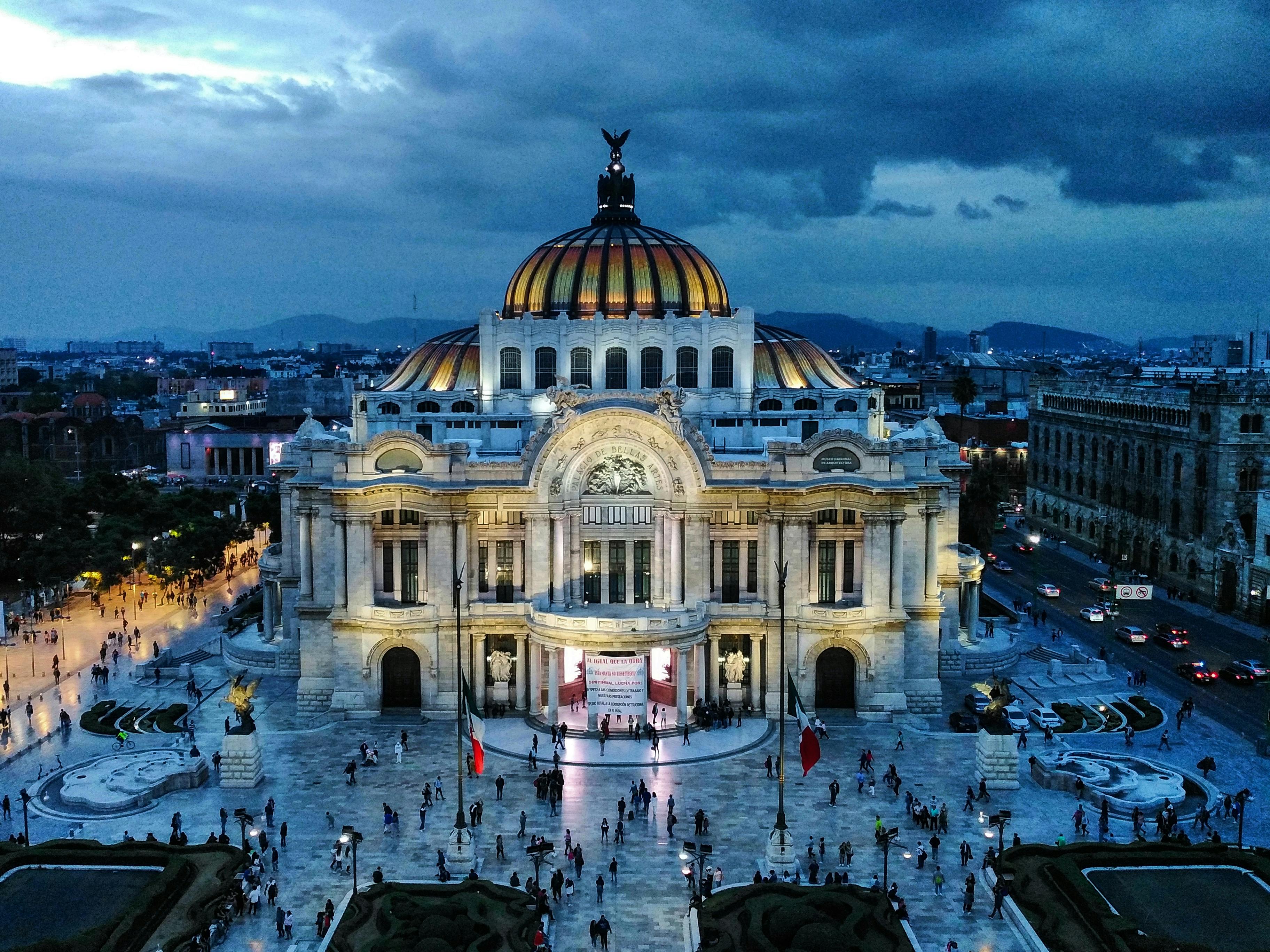
Mexico City has no rival in the Americas for museums and archaeology. The Anthropology Museum, Bellas Artes, the Templo Mayor, and dozens of others could fill an entire trip on their own.
Day trips
Guadalajara's trump card is Tequila town, about an hour away through agave fields, plus Lake Chapala, Tlaquepaque, and the highlands. The tequila experience here is authentic and easy.
Mexico City reaches Teotihuacan, the colonial silver towns of Puebla and Cholula, Tepoztlan's pyramid hikes, and Taxco. The range is wider, though traffic getting out of the city can eat time.
Cost
Guadalajara is noticeably more affordable, with lower hotel and restaurant prices and far less of the foreign-driven price inflation seen in trendy capital neighborhoods. Your budget stretches further here.
Mexico City has grown pricier, especially in Roma and Condesa where digital-nomad demand has pushed up rents and restaurant tabs. It is still good value overall, but the best neighborhoods now cost real money.
Getting there & around
Guadalajara's airport has solid domestic and growing international routes, and the compact core means you can walk or use short taxis and Uber easily. The light rail is limited but the city is simpler to navigate.
Mexico City's airport is a major international hub with flights everywhere. The metro is cheap and extensive, but the scale means you will rely on Uber and the metro a lot, and crossing town can take an hour.
When to go
Guadalajara enjoys a famously pleasant year-round climate, warm and dry from November to May with a summer rainy season. October's mariachi festival and the surrounding fiestas are a highlight.
Mexico City sits higher and cooler, with mild days and crisp evenings; the dry season (November to April) is ideal. Late October to early November for Dia de Muertos is spectacular but crowded and pricey.
Crowds & ease
Guadalajara is far easier to take in. Less traffic, fewer tourists, and a human scale make it relaxing, especially for a first visit or a shorter trip.
Mexico City rewards patience but demands energy. The crowds, distances, and pace are real, and it can exhaust travelers who prefer things compact and calm.