
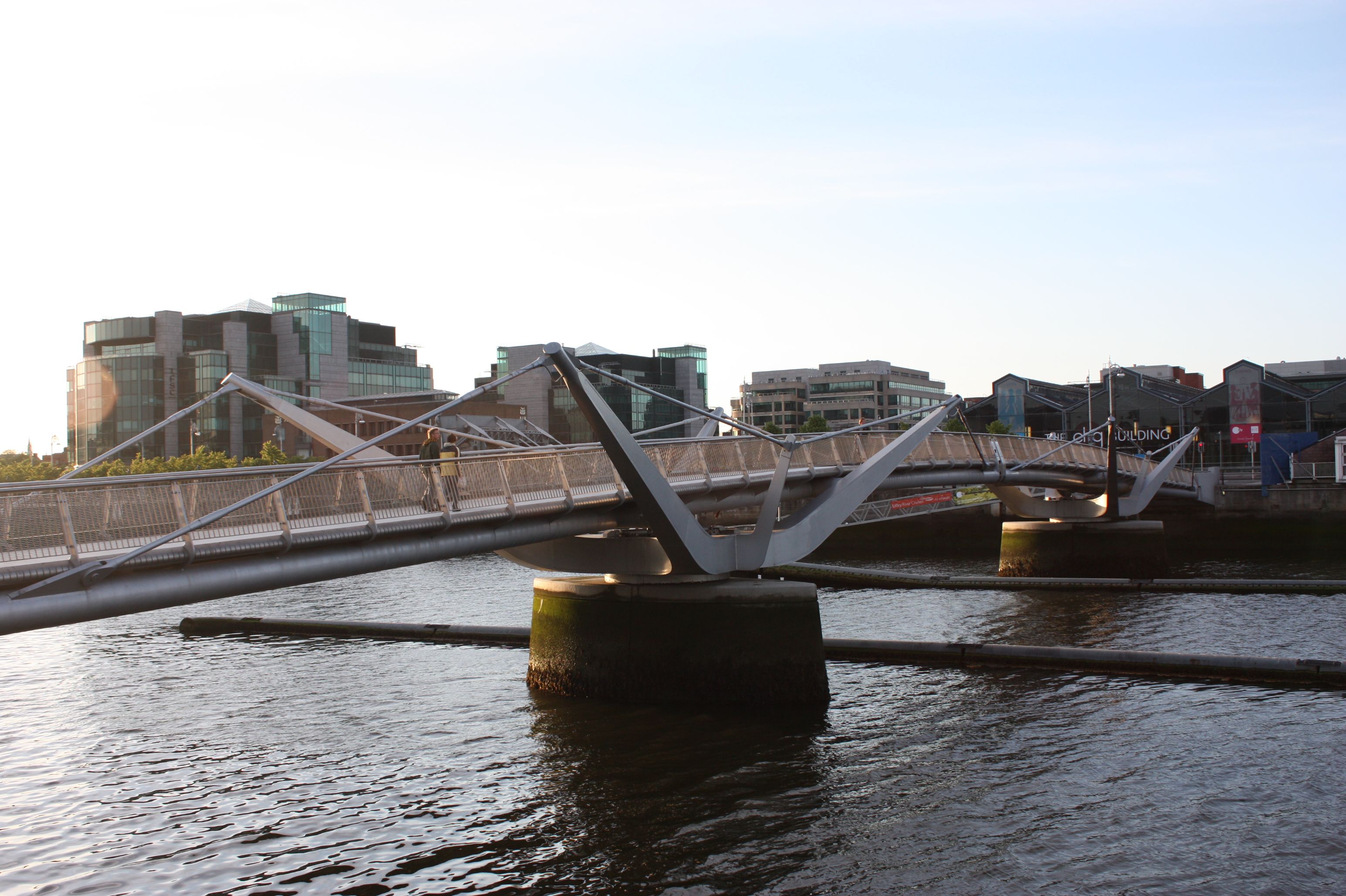
Pedestrian bridge spans the Liffey River in Dublin at sunset, highlighting modern architecture.
Comparison

Dublin vs Galway: Which Irish City Should You Visit?

One is a buzzing capital with heavyweight history; the other is a compact, music-soaked city on the wild Atlantic. Here's how to choose.

Last updated July 15, 20266 min read
Quick verdict

Choose Dublin for history, museums, and big-city nightlife with the widest choice of things to do; choose Galway for trad music, walkable charm, and easy access to the wild Atlantic coast.

Dublin and Galway are only about 2.5 hours apart by road or train, yet they offer very different Irish experiences. Dublin is the capital: a sprawling, layered city of Georgian squares, world-class museums, literary ghosts, and a nightlife scene that never really quiets down. Galway is smaller, softer, and thoroughly walkable, a bohemian harbor city where buskers fill the medieval Latin Quarter and the Atlantic feels like it's right on the doorstep.

For a first trip to Ireland, most people want to know whether to base themselves in the big, bustling capital or the charming western city that serves as the gateway to Connemara, the Aran Islands, and the Cliffs of Moher. The good news is you can genuinely enjoy both, and many visitors do. But if your time or budget is limited, the two cities pull in different directions.

This comparison breaks down vibe, sights, food and pubs, cost, seasonality, and day trips so you can match the city to the trip you actually want.

The capital
Dublin
History · pubs · big-city energy
The Atlantic one
Galway
Trad music · coast · walkable charm
Head to head

Dublin vs Galway

Vibe & first impressions
Dublin feels like a proper capital: busy, varied, and occasionally gritty, with elegant Georgian streets around Merrion Square giving way to the buzz of Temple Bar and the shopping crowds on Grafton Street. It rewards those who like choice, energy, and a city that keeps going.
Galway is compact, colorful, and instantly likeable, its pedestrian core packed with painted shopfronts, street performers, and the sound of fiddles spilling out of doorways. You can walk end to end in 20 minutes and feel like you know the place by day two.
Things to do
Dublin is stacked: Trinity College and the Book of Kells, the National Museum, Kilmainham Gaol, the Guinness Storehouse, Dublin Castle, and long walks in Phoenix Park. It's easily worth two or three full days of sightseeing.
Galway's attractions are lighter: the Latin Quarter, the Spanish Arch, Galway Cathedral, and strolls along the Salthill Prom. The real draw is atmosphere plus its role as a launchpad for Connemara, the Cliffs of Moher, and the Aran Islands.
Food & nightlife
Dublin has the country's deepest food scene, from Michelin-starred tables to great modern Irish bistros, plus historic pubs like The Long Hall and the ever-touristy Temple Bar district. Nightlife runs late and diverse, with clubs, cocktail bars, and live venues.
Galway punches well above its size on food, boasting an oyster culture, a celebrated Saturday market, and standout spots (it was even a European Region of Gastronomy). For trad music, Galway is arguably the best in the country, with sessions most nights at pubs like Tig Coili and The Crane Bar.
Cost
As the capital, Dublin is Ireland's most expensive city, especially for hotels, where central rooms in summer regularly run high. Pints, meals, and attractions add up quickly.
Galway is generally cheaper than Dublin for accommodation and dining, though it's not bargain territory and prices spike sharply during its busy festival weekends. Overall your money stretches a bit further here.
When to go
Dublin works year-round thanks to its indoor museums and pubs; summer (June to August) is warmest but busiest, while spring and autumn are quieter and milder. Expect changeable weather and highs around 18-20C in summer.
Galway shines in summer when the coast and islands are accessible and festivals like the Galway International Arts Festival (July) and the Oyster Festival (September) light up the city. Winters are wet and windy, and some coastal day trips run reduced schedules.
Getting there & around
Dublin has Ireland's main international airport and is the natural arrival point, with excellent public transport, trams (Luas), and buses. It's a very walkable core once you're in.
Galway has no major airport, so most visitors arrive via Dublin then take a direct train or bus (roughly 2.5 hours). The city itself is small enough that you'll rarely need transport beyond your own feet.
Day trips
From Dublin you can reach Glendalough and the Wicklow Mountains, the coastal village of Howth, Malahide Castle, and Newgrange, plus day tours as far as the Cliffs of Moher (long but doable).
Galway is the better base for west-coast scenery: the Cliffs of Moher and the Burren are close, Connemara's mountains and lakes are on the doorstep, and ferries run to the Aran Islands. This is the Wild Atlantic Way at its best.

Dublin is best for

first-timers who want maximum history, museums, restaurants, and nightlife, plus the easiest arrival point and best transport links.

Galway is best for

travelers chasing trad music, walkable charm, and the wild western coast, from Connemara to the Cliffs of Moher and the Aran Islands.

The verdict
Short trip? Pick one. Week in Ireland? Do both, Dublin first.

If you only have a few days and crave big-city variety, museums, and nightlife, base yourself in Dublin. If you want music, coast, and a laid-back city with easy access to Ireland's most dramatic scenery, choose Galway. With a week, fly into Dublin, give it two or three days, then take the train west and let Galway be your gateway to the Atlantic.

Whichever you choose, Ireland's compact size means the other is only a short train ride away, so map your priorities and start planning.

Frequently asked questions

Is Dublin or Galway cheaper?
Galway is generally cheaper than Dublin, especially for hotels and dining, since Dublin is the most expensive city in Ireland. That said, Galway prices spike during festival weekends and neither city is truly budget-friendly in peak summer.
Can you visit both Dublin and Galway in one trip?
Yes, and it's a popular combination. They're about 2.5 hours apart by direct train or bus, so many visitors spend a few days in Dublin before heading west to Galway.
Which is better for trad music, Dublin or Galway?
Galway is widely considered the better city for authentic traditional music, with nightly sessions at pubs like Tig Coili and The Crane Bar. Dublin has plenty of trad too, but much of it in Temple Bar is aimed at tourists.
Which city is better for reaching the Cliffs of Moher?
Galway is much closer and the natural base for the Cliffs of Moher, the Burren, and Connemara. You can reach the Cliffs from Dublin on a day tour, but it's a long round trip.
Which is better for families?
Dublin offers more variety for families, with museums, Dublin Zoo in Phoenix Park, and interactive attractions. Galway is easier to navigate on foot and great for older kids who'll enjoy the buskers, beaches at Salthill, and island trips.
Plan with MagicTrips

Build your own trip

Tell us how many days, your budget, and what you're into, and we'll build you a custom, day-by-day itinerary.

Ready to book your stay?

Hotels
Homes

Traveling somewhere else?

Generate a custom itinerary