
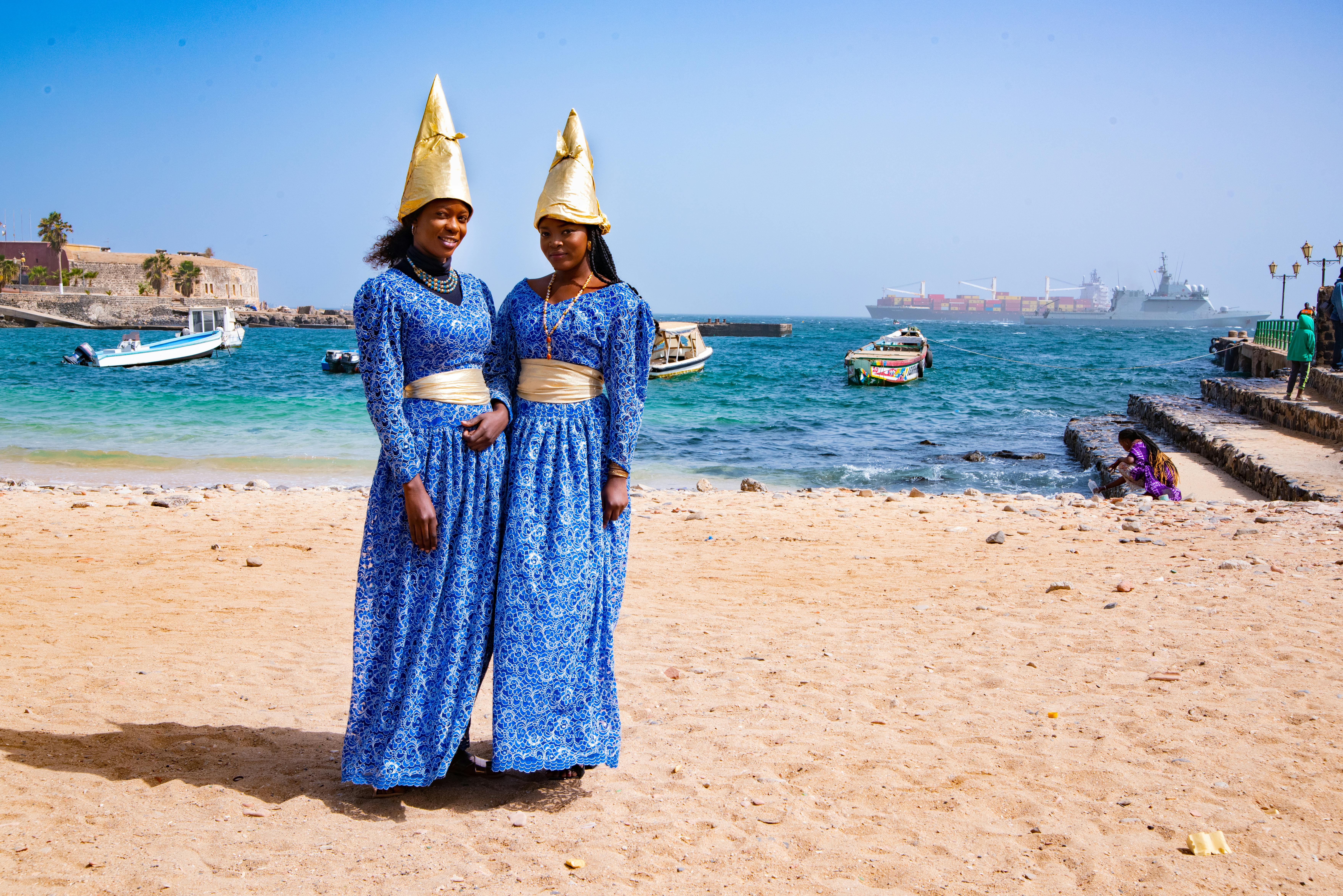
Dakar sits at the tip of the Cap-Vert peninsula, the westernmost point of mainland Africa, with the Atlantic on three sides and the wind almost always blowing. It is a capital of contrasts: French colonial facades and gleaming new towers, fishing pirogues painted in primary colors, a sound system that runs on mbalax, sabar drumming, and call to prayer. The Senegalese call their country the land of teranga (hospitality), and you feel it quickly.
This is a city that rewards curiosity over checklists. Spend a morning bargaining in a market, an afternoon watching surfers off Ngor, and an evening over thieboudienne and live music, and you start to understand why so many West African artists, designers, and musicians orbit here.
Just offshore lies Gorée Island, a UNESCO World Heritage Site and one of the most moving places in the Atlantic world, its pastel houses and House of Slaves a sober counterpoint to the energy of the mainland. Together they make Dakar a destination with real weight as well as real fun.
The dry season from November to May is the most comfortable time, with warm days, low humidity, and cooler Atlantic breezes; December through February are especially pleasant. The rainy season runs roughly July to October, when humidity climbs and short heavy downpours are common, though the landscape turns green and crowds thin. Time a visit around Dak'Art, the prestigious contemporary African art biennale held in May (in odd-numbered years), or the Saint-Louis Jazz Festival if you are pairing Dakar with a trip north. Avoid expecting much to move quickly during major Muslim holidays like Tabaski (Eid al-Adha), when the city largely shuts to celebrate.
Most visitors arrive at Blaise Diagne International Airport (DSS), about 45 km from the city; allow 60 to 90 minutes by road and arrange a transfer in advance, as the trip is long and taxis at the airport overcharge. In town, official yellow-and-black taxis are everywhere but unmetered, so agree a price before getting in, or use the Yango or Heetch ride-hail apps for fixed, fair fares. The new TER commuter train links the airport corridor and the city efficiently. Traffic in central Dakar can be punishing at peak hours, so build in buffer time and consider basing yourself near the things you most want to see.
Neighborhoods & hotels


Skip the research, get a day-by-day Dakar plan
Tell us your dates and pace; we'll build the itinerary around these picks.
Best Coffee & Cafes
Senegal runs on sweet, spiced Touba coffee from street stalls, but Dakar also has a growing scene of proper espresso bars and laptop-friendly cafes.


Where to Eat Breakfast & Brunch


Best Restaurants in Dakar
Senegalese cooking is one of West Africa's finest. Eat the national dish thieboudienne (fish and rice) at least once, plus yassa, mafe, and the daily catch grilled by the sea.


Top Things to Do in Dakar
Pair the city's monuments and markets with a guided day that handles Dakar's notorious traffic, and don't miss a hands-on cooking class.


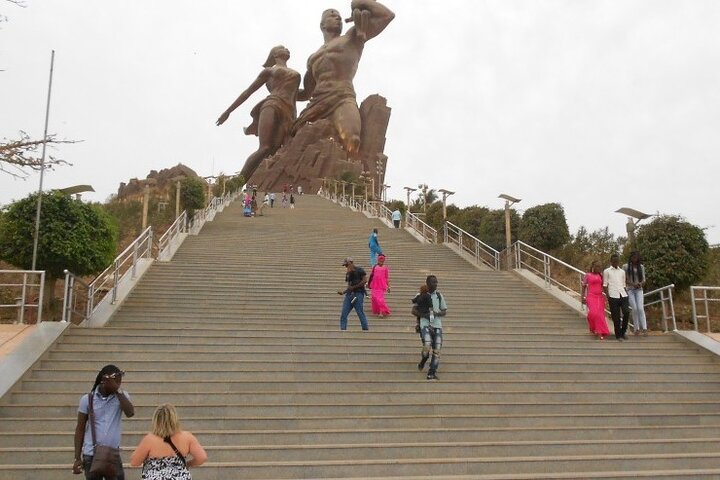


Gorée Island & Essential Sights
Gorée deserves its own visit; the ferry from Plateau takes about 20 minutes and the island is car-free and walkable.


Markets & Shopping
Dakar's markets are an experience in themselves; bargain politely, keep an eye on your belongings, and embrace the chaos.
Day Trips Worth Taking
Beyond the city, the coast offers a pink lake, wildlife safaris, and quiet lagoons, all doable as guided day trips.


Bars & Nightlife
Dakar's nightlife is legendary in West Africa, from rooftop sundowners to mbalax clubs that don't fill until after midnight.
Before you visit
Plan-ahead checklist
Dakar gets under your skin: the drumbeat, the sea wind, the generosity of its people, and the weight of Gorée's history all linger long after you leave. Come hungry, stay curious, and let the city's rhythm set your pace. Senegal's land of teranga is waiting to welcome you.
Top-Rated Places to Eat, See & Stay
Explore Dakar
Build your own Dakar trip
Tell us how many days, your budget, and what you're into. We'll turn it into a custom, day-by-day Dakar itinerary.