
Chiang Mai vs Bangkok: Which Thai City Should You Visit?

One is a laid-back mountain town wrapped in temples and coffee culture; the other is a roaring megacity that never quite sleeps. Here is how to choose.
Last updated June 22, 2026
Chiang Mai vs Bangkok: Which Thai City Should You Visit?
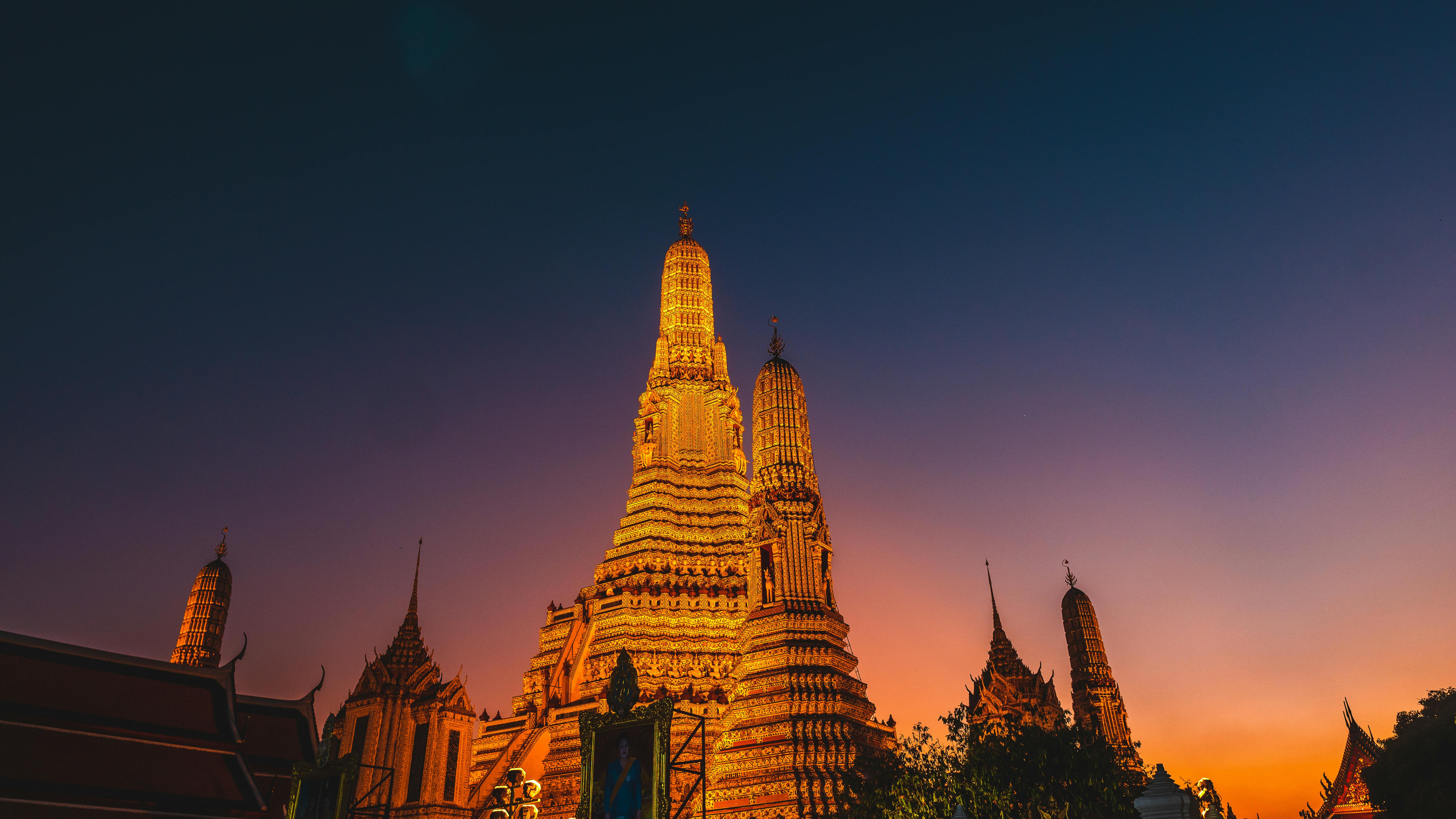
Stunning view of Wat Arun temple in Bangkok at sunset, capturing its golden glow against the twilight sky. · Chait Goli

Thailand's two most-visited cities could hardly feel more different. Chiang Mai is a walkable old kingdom in the northern mountains, defined by ancient temples, leafy lanes, and a slow, creative rhythm. Bangkok is a sprawling, electric megacity of 10-plus million, where rooftop bars glitter above gridlocked streets and the energy rarely lets up.

Most first-timers eventually see both, since the two are linked by a one-hour flight or an overnight train. But if you only have time for one, or you're deciding where to base yourself, the choice comes down to what you want from a trip: serenity, nature, and craft, or spectacle, scale, and 24-hour buzz.

This comparison breaks down the factors that actually decide it, from cost and food to nightlife and how easy each is to get around.

Chiang Mai vs Bangkok

Chiang Mai
Bangkok
Vibe & first impressions
Relaxed and human-scale. The moated Old City is dotted with crumbling brick temples, monks in saffron robes, and cafes spilling onto quiet sois. The Doi Suthep mountains loom in the background, and the whole place feels gentle and unhurried.
Overwhelming in the best and worst ways. Skytrains glide past glass towers, street vendors sizzle pad thai under neon, and the Chao Phraya River churns with longtail boats. It's loud, hot, and intoxicating; you either love the chaos or need an escape from it.
Things to do
Temple-hopping (Wat Phra Singh, Wat Chedi Luang), ethical elephant sanctuaries, the climb to Doi Suthep, cooking classes, and day trips to Doi Inthanon, Thailand's highest peak. It's also a hub for trekking and hill-tribe visits.
World-class sights at every turn: the Grand Palace and Wat Pho, Wat Arun across the river, the sprawling Chatuchak Weekend Market, canal tours of Thonburi, and endless shopping malls. There's far more sheer variety, but more crowds and logistics too.
Food & nightlife
Northern specialties shine: khao soi (curry noodle soup), sai ua sausage, and excellent night markets at the Sunday Walking Street and Warorot. Nightlife is low-key, leaning toward craft beer bars, live music, and the Nimmanhaemin cafe scene rather than late clubbing.
A street-food capital with Michelin-recognized stalls (Jay Fai's crab omelet, the Yaowarat Chinatown lanes) and dining at every price point. Nightlife is unmatched in Thailand: rooftop bars like Sky Bar and Octave, riverside venues, Khao San Road, and clubs that run till dawn.
Cost
Cheaper across the board. Guesthouses, meals, massages, and coffee all cost noticeably less, and a comfortable daily budget stretches much further. It's a longtime favorite of digital nomads partly for this reason.
Still affordable by global standards but pricier than the north, especially for hotels, taxis, rooftop drinks, and tourist-zone dining. You can eat cheaply from street stalls but accommodation in central areas costs more.
When to go
November to February is ideal: cool, dry, and comfortable. Avoid roughly March to April, when agricultural burning blankets the region in heavy smoke and air quality plummets. The rainy season (June to October) is green but humid.
November to February is also the sweet spot, with lower humidity. The hot season (March to May) is brutally sticky, and the monsoon (June to October) brings heavy but usually short afternoon downpours. Bangkok avoids the smoke season severity Chiang Mai suffers.
Getting there & around
Reached by a roughly 70-minute flight from Bangkok or an atmospheric overnight train. The compact center is walkable, and red songthaew trucks plus Grab rides cover the rest cheaply. No metro, but you rarely need one.
Thailand's main international gateway via Suvarnabhumi and Don Mueang airports. Traffic is legendary, but the BTS Skytrain and MRT subway make getting around fast and air-conditioned, supplemented by river ferries and Grab.
Day trips
Superb for nature: Doi Inthanon National Park, the misty town of Pai (a winding three-hour drive), Chiang Rai's White Temple, and remote hill villages. The north rewards those who want mountains and trekking.
Big-hitters within reach: the ruins of Ayutthaya, the floating markets of Damnoen Saduak and Amphawa, the bridge over the River Kwai in Kanchanaburi, and beach escapes to Hua Hin or Pattaya.

Chiang Mai is best for

Travelers craving a relaxed pace, temples, mountains, cooking classes, and great value in a walkable city.

Bangkok is best for

Travelers who want big-city spectacle, world-class street food, vibrant nightlife, shopping, and a central hub for onward travel.

The Verdict

If you want calm, culture, and nature on a budget, choose Chiang Mai; if you want energy, variety, and nightlife, choose Bangkok. Honestly, the ideal Thailand trip includes both, with a few buzzing days in Bangkok bookending a slower stretch up north. If forced to pick one for a first visit, Bangkok delivers more iconic sights, but Chiang Mai leaves more people wishing they'd stayed longer.

Whichever way you lean, the cities are a short hop apart, so map your dates around the seasons (and Chiang Mai's spring burning) and start planning.

Ready to book your trip?

Search Hotels
Search Homes

Traveling somewhere else?

Generate a custom itinerary