
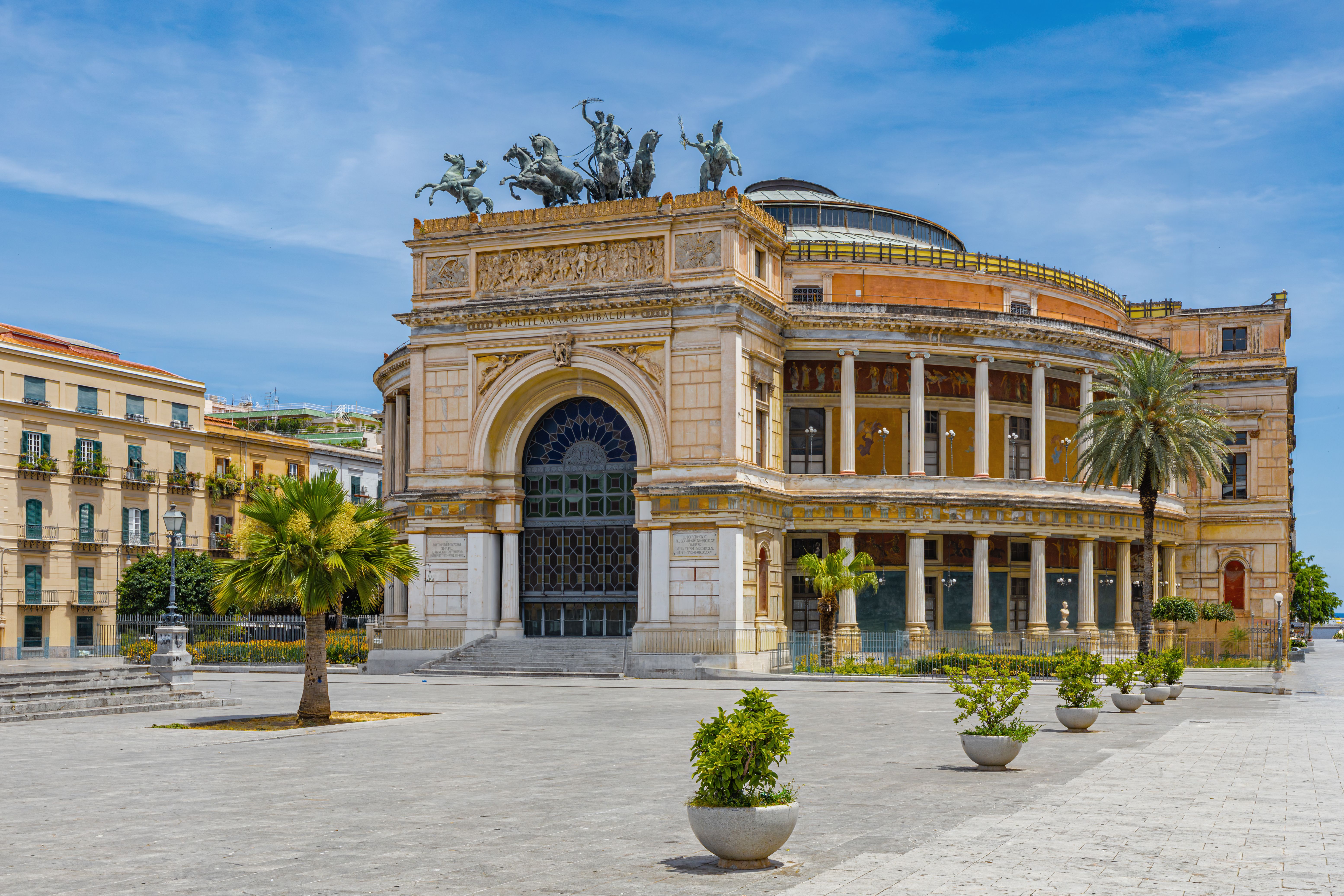
Cartagena is one of the Mediterranean's great underrated cities. Founded by the Carthaginians around 227 BC and rebuilt by the Romans as Carthago Nova, this deep natural harbor on Spain's Murcia coast has been fought over for more than two thousand years. The result is a compact old town where a magnificent Roman theatre sits beside Art Nouveau facades, naval forts crown the hills, and the smell of salt and frying fish drifts up from the port.
Unlike the resort sprawl elsewhere on the Costa Cálida, Cartagena feels lived-in and proudly local. Pedestrian shopping streets fill in the evening, tapas bars hum until late, and you are rarely more than a short walk from a 2,000-year-old ruin. It is also a major cruise port, but most visitors stay near the water, leaving the back streets to residents and the occasional clued-in traveler.
Add nearly 300 days of sunshine a year, a string of wild and developed beaches within easy reach, and the vast saltwater lagoon of the Mar Menor on its doorstep, and Cartagena makes a rewarding base for a few unhurried days of history, seafood, and sun.
Cartagena is a year-round destination thanks to a mild, dry climate, but late spring (May and June) and early autumn (September and October) are the sweet spots: warm seas, long days, and fewer crowds than the July and August peak, when locals and Spanish holidaymakers fill the beaches and temperatures climb into the 30s Celsius. If you can time it, come for the Cartagineses y Romanos festival in the second half of September, a 10-day reenactment of the Second Punic War with parades, encampments, and mock battles. Holy Week (Semana Santa) processions in spring are also among the most spectacular in Spain.
The nearest airport is Región de Murcia International Airport (RMU) at Corvera, about 35 minutes away by car or shuttle bus; Alicante-Elche (ALC) is roughly an hour and offers far more international flights. From either, a rental car or pre-booked transfer is easiest, though buses connect both airports to the region. Cartagena's historic center is small and flat, so you will explore almost entirely on foot. Taxis are affordable and easy to flag near the port and train station, and you will only really need a car for day trips to beaches, the Mar Menor, or Murcia.
Neighborhoods & hotels


Skip the research, get a day-by-day Cartagena plan
Tell us your dates and pace; we'll build the itinerary around these picks.
Best Coffee and Cafes
Cartagena's cafe culture leans Spanish and unhurried: a strong cortado, a pastry, and a marble-topped table to watch the street.

Where to Eat Breakfast and Brunch
Start the Spanish way with a tostada and tomato, or go bigger with regional pastries and seafood.


Best Restaurants in Cartagena
Cartagena eats supremely well, from a Michelin-starred temple to fish straight off the boats and rib-sticking Murcian classics.


Tapas Bars and Evening Drinks
Evenings in Cartagena revolve around the tapeo: hopping between bars for a small plate and a glass of local Jumilla wine or a cold caña.


Top Sights and Landmarks
Two thousand years of history are packed into a few walkable blocks, from Roman stone to Art Nouveau and naval forts.


Top Things to Do
Beyond the ruins, Cartagena offers beaches, boat trips, trike adventures, and clear southern skies.


Day Trips Worth Taking
Cartagena sits within easy reach of wild beaches, a great regional capital, and a saltwater lagoon.

Before you visit
Plan-ahead checklist
Cartagena rewards travelers who like their history hands-on and their seafood fresh, all wrapped in the easy warmth of the Spanish Mediterranean. Spend your days among Roman stones and Art Nouveau facades, your evenings hopping tapas bars, and your afternoons on a wild cove or the glassy Mar Menor. Start planning, and you will wonder why this sun-soaked port stayed off your radar for so long.
Top-Rated Places to Eat, See & Stay
Build your own Cartagena trip
Tell us how many days, your budget, and what you're into. We'll turn it into a custom, day-by-day Cartagena itinerary.