
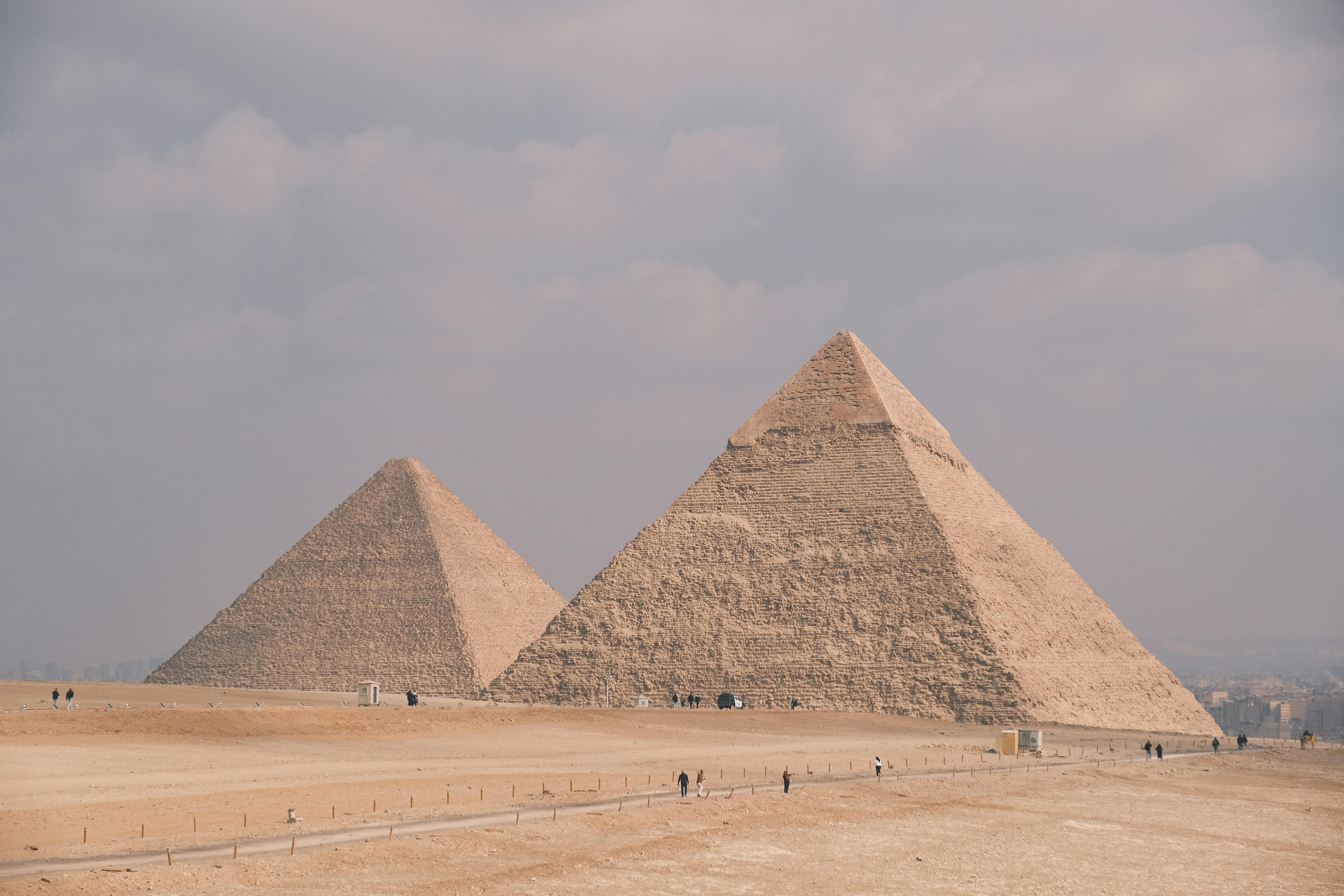
Stunning photo of the Great Pyramids of Giza under a cloudy sky, showcasing Egypt's ancient architecture.
Comparison

Cairo vs Luxor: Which Egyptian City Should You Visit?

One is a thunderous megacity guarding the Pyramids; the other is the world's greatest open-air museum on the Nile. Here's how to choose.

Last updated June 27, 20266 min read
Quick verdict

Choose Cairo for the Pyramids, the Grand Egyptian Museum, and big-city energy; choose Luxor for the world's greatest concentration of temples and royal tombs in a calmer Nile-side setting.

Egypt rarely forces a clean either/or, because most itineraries fold in both cities. But if you only have a few days, or you want to know which place anchors your trip, the personalities here could not be more different. Cairo is a roaring metropolis of more than 20 million people, home to the Pyramids of Giza, the Sphinx, and the long-awaited Grand Egyptian Museum. Luxor is a quieter Nile-side town built atop ancient Thebes, where the density of standing temples and royal tombs is simply unmatched anywhere on earth.

Choosing between them is really a choice of texture. Cairo overwhelms: traffic, minarets, bazaars, honking, and the surreal moment when the Pyramids rise behind a city block. Luxor slows everything down to the rhythm of the river, with horse carts, feluccas, and golden hills hiding the Valley of the Kings.

Both are essential to understanding ancient Egypt, but they reward different travelers and different moods. Here is how they stack up head to head so you can spend your time where it counts.

The capital
Cairo
Pyramids · chaos · big-city energy
The temple city
Luxor
Temples · Nile · ancient calm
Head to head

Cairo vs Luxor

Vibe & first impressions
Cairo is intense, sprawling, and electric: gridlocked traffic, layered history from Islamic Cairo to Coptic churches, and the jolt of seeing the Pyramids at the edge of the city. It rewards travelers who don't mind noise and chaos in exchange for scale and variety.
Luxor is far smaller and more relaxed, strung along both banks of the Nile. It still has hustle and persistent touts, but the pace is gentler, the skyline is low, and you're never far from the river or the desert hills.
Ancient sites & things to do
Cairo's headliners are the Giza Pyramids and Sphinx, plus the Grand Egyptian Museum near the plateau, the Saladin Citadel, Khan el-Khalili bazaar, and Coptic and Islamic Cairo. The variety is huge: pharaonic, Islamic, Christian, and modern all in one city.
Luxor is wall-to-wall antiquity: Karnak and Luxor Temples on the east bank, the Valley of the Kings, Hatshepsut's temple, the Colossi of Memnon, and the Valley of the Queens on the west. For pure density of intact ancient monuments, nothing beats it.
Museums
Cairo wins decisively. The Grand Egyptian Museum (now fully open) houses the complete Tutankhamun collection and tens of thousands of artifacts, and the National Museum of Egyptian Civilization holds the Royal Mummies. This is the country's museum capital.
Luxor's museum is small but excellent and well-curated, focused on Theban finds. Still, the real museum in Luxor is outdoors: the temples and tombs themselves rather than the gallery cases.
Food & nightlife
Cairo has the country's deepest dining scene, from koshary joints and Nile-view restaurants to rooftop bars in Zamalek and downtown cafes. Nightlife is genuine, with late hours, live music, and a real city buzz.
Luxor's dining is simpler and more tourist-oriented, with good Egyptian and Nubian food and atmospheric Nile-terrace spots. Evenings are quieter; the highlight is often a sunset felucca or a calm dinner rather than a night out.
Crowds & hassle
Crowds at Giza can be heavy and touts are aggressive, but the city is so large that you can find calm corners. Expect persistent vendors and camel-ride pitches around the Pyramids.
Luxor's sites get busy with tour groups midday, especially at the Valley of the Kings, so early starts pay off. Hassle from caleche drivers and shop owners is noticeable but the overall scale is more manageable than Cairo.
Cost
Cairo offers the widest range, from budget hostels to luxury Nile hotels, and overall good value. Site tickets add up (the Grand Egyptian Museum and Pyramids are the priciest), but food and transport are cheap.
Luxor is generally a touch cheaper for hotels and meals, though entrance fees stack quickly given how many sites you'll want, and the Valley of the Kings charges extra for premium tombs. Hot-air balloon rides are a popular add-on cost.
When to go
Cairo is best from October to April, when days are warm and pleasant; summer is hot and hazy with temperatures often above 35C. Winter is peak season and comfortable for long sightseeing days.
Luxor is hotter and drier, with brutal summers regularly topping 40C. November to February is ideal for exploring the exposed temples and tombs; avoid June through August unless you can sightsee at dawn.
Getting there & around
Cairo is Egypt's main international gateway, so most trips start here. Getting around means taxis, Uber, and the metro, but traffic is relentless and journeys take longer than the map suggests.
Luxor has its own airport with domestic and some international flights, and connects to Cairo by a roughly 1-hour flight or an overnight sleeper train (about 9-10 hours). Within town, taxis, caleches, and ferries across the Nile handle everything.
Day trips & combining
From Cairo you can reach Saqqara, Dahshur, and Memphis easily, plus Alexandria on a long day trip. It's the natural launch pad for the rest of the country.
Luxor is the classic starting point for Nile cruises south to Aswan, with Edfu, Kom Ombo, and Dendera within reach. It pairs naturally with Aswan and Abu Simbel for an Upper Egypt loop.

Cairo is best for

first-timers who want the Pyramids, the Grand Egyptian Museum, and the full sweep of Egyptian history in a buzzing, varied megacity.

Luxor is best for

travelers chasing temples and royal tombs at the densest, most atmospheric ancient site in Egypt, at a calmer Nile-side pace.

The verdict
First trip to Egypt? Start in Cairo, then give Luxor at least two full days.

Cairo is non-negotiable for the Pyramids, the Sphinx, and the Grand Egyptian Museum, so most travelers should begin there. But Luxor delivers the standing temples and painted tombs that make ancient Egypt feel alive, and skipping it is a real loss. If you must pick only one, choose Cairo for the icons and Luxor for depth; ideally connect them by a short flight or sleeper train and do both.

Whether you start under the Pyramids or among the temples of Thebes, the smartest move is to weave both into one Nile-spanning itinerary. Map your dates around the cooler months and book that sleeper train or short flight early.

Frequently asked questions

Is Cairo or Luxor cheaper?
Luxor is generally slightly cheaper for hotels and meals, but entrance fees add up fast because you'll want to visit many temples and tombs. Cairo offers the widest range of budgets overall, with very cheap food and transport offset by pricier headline sites.
Which is better for first-time visitors to Egypt?
Cairo is the usual first stop because it has the Pyramids, the Sphinx, and the Grand Egyptian Museum, plus the country's main international airport. Most first-timers do Cairo first, then add Luxor for the temples and tombs.
Can you visit both Cairo and Luxor in one trip?
Yes, and most itineraries do. They are linked by a roughly 1-hour domestic flight or an overnight sleeper train of about 9-10 hours, so combining them in a week-long trip is very common.
Which has better ancient sites, Cairo or Luxor?
Cairo has the single most famous monuments, the Giza Pyramids and Sphinx, plus the best museums. Luxor has the greatest concentration of intact temples and royal tombs in the world, including Karnak and the Valley of the Kings, so it wins on density of standing antiquity.
How many days do you need in each city?
Plan two to three days for Cairo to cover Giza, the Grand Egyptian Museum, and Islamic Cairo without rushing. Luxor deserves at least two full days to see the east-bank temples and the west-bank tombs, more if you add a Nile cruise.
Plan with MagicTrips

Build your own trip

Tell us how many days, your budget, and what you're into, and we'll build you a custom, day-by-day itinerary.

Ready to book your stay?

Hotels
Homes

Traveling somewhere else?

Generate a custom itinerary