Vibe & first impressions
Busan feels like a beach town that happens to be a major city. Hillsides of pastel houses (Gamcheon Culture Village), working harbors, and wide stretches of sand give it a relaxed, slightly scruffy charm. Locals are famously direct and the Gyeongsang dialect adds to the rougher, friendlier edge.
Seoul is intense in the best and most exhausting ways: a 10-million-person capital where ancient palaces, glass towers, and 24-hour districts press together. It feels limitless and fast, with a polish and trend-driven energy you won't find anywhere else in Korea.
Things to do
Busan leans scenic and outdoorsy: the Gamcheon Culture Village, the seaside Haedong Yonggungsa Temple, the Oryukdo Skywalk, and the coastal Igidae and Songdo cliff walks. Jagalchi Fish Market and the Busan Air Cruise cable car round out a few packed days.
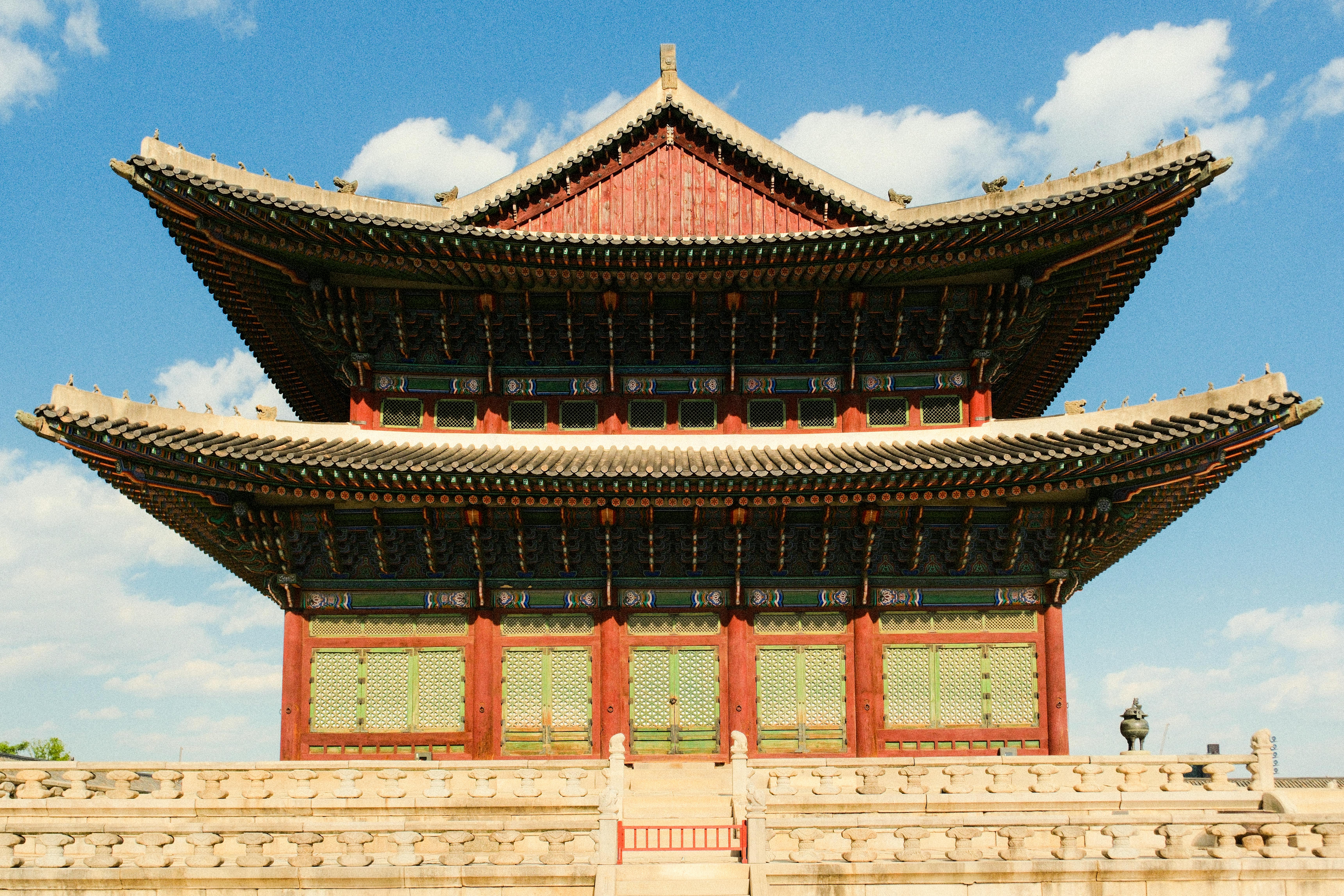
Seoul is bottomless. Five grand palaces led by Gyeongbokgung, the Bukchon Hanok Village, the N Seoul Tower, the restored Cheonggyecheon stream, world-class museums, and distinct neighborhoods (Hongdae, Itaewon, Gangnam, Insadong) mean you'll never run out, even on a long stay.
Beaches
This is Busan's trump card. Haeundae and Gwangalli are genuine city beaches with cafes, swimming, and the glittering Gwangan Bridge at night. In summer the sand fills with umbrellas and the water is warm enough to enjoy.
Seoul has no beaches. It has the Han River parks, which are lovely for picnics, cycling, and evening beers, but if sea and sand are the point, Seoul cannot compete.
Food & nightlife
Busan is seafood heaven: raw fish (hoe) at Jagalchi, dwaeji gukbap (pork soup), milmyeon noodles, and ssiat hotteok. Nightlife centers on Gwangalli and Seomyeon and stays lively but is more low-key than the capital.
Seoul is the country's culinary and nightlife capital, full stop. From Michelin-starred tasting menus to all-night Korean barbecue, pojangmacha street tents, and the wild bar scenes of Hongdae and Itaewon, it offers more variety and stamina than anywhere else in Korea.
Cost
Busan is noticeably cheaper, particularly for hotels and seafood meals. A beachfront stay in Busan often costs less than a mid-range room in central Seoul.
Seoul runs pricier on accommodation and trendy dining, though street food, public transit, and convenience-store meals keep budget travel very doable. Expect to pay more for prime locations near the palaces or Gangnam.
When to go
Busan shines in late spring (May) and early autumn (September to October), and it's the natural summer pick for beach days despite humid July and August heat. Mild winters mean it rarely gets bitterly cold.
Seoul is at its best in spring (cherry blossoms in early April) and autumn (golden foliage in late October). Summers are hot and humid with monsoon rains, and winters can be sharply cold with occasional snow over the palaces.
Getting there & around
Busan's Gimhae Airport handles regional and some international flights, but many visitors arrive via the KTX from Seoul (about 2.5 hours). The metro covers the main sights, though some coastal spots need a bus or taxi.
Seoul's Incheon Airport is one of the world's best-connected hubs, making it the usual entry point to Korea. Its subway is vast, cheap, English-friendly, and reaches nearly everything you'll want to see.
Day trips
From Busan you can reach the historic temples and royal tombs of Gyeongju (about an hour by KTX), the seaside city of Tongyeong, and the colorful island of Geoje for coastal scenery.
Seoul opens up the DMZ and Korean War sites, the UNESCO fortress town of Suwon, Nami Island, and the hiking trails of Bukhansan National Park, all within easy reach.