
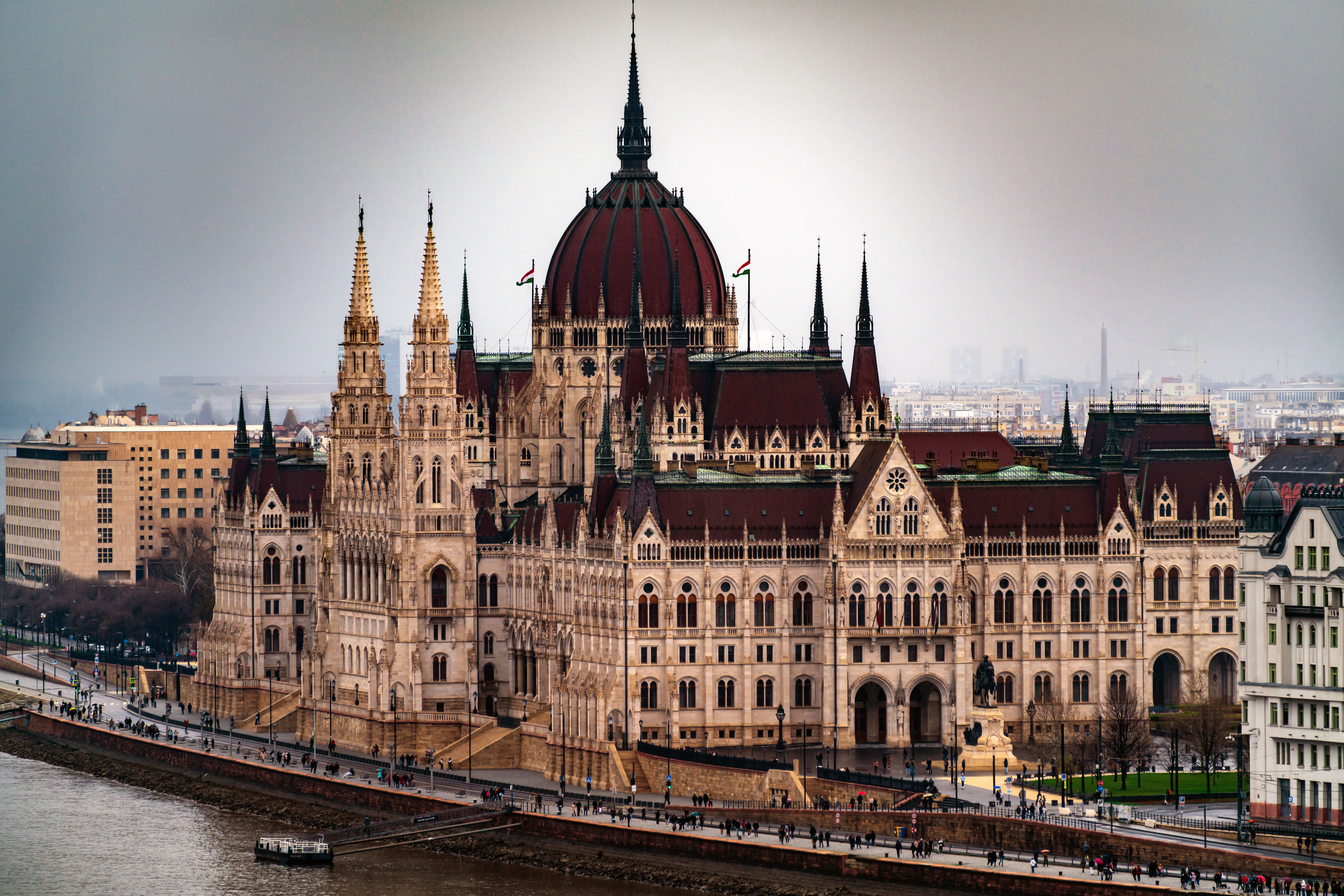
Panoramic view of the iconic Hungarian Parliament Building in Budapest, Hungary.
Comparison

Bucharest vs Brașov: Which Romanian Base Is Right for You?

A big, buzzing capital or a fairy-tale mountain town in Transylvania? Here's how to choose, and why you might do both.

Last updated July 18, 20265 min read
Quick verdict

Choose Bucharest for big-city energy, food, nightlife, and museums; choose Brașov for a walkable medieval old town, mountain scenery, and easy day trips to Bran and Peleș castles.

Romania's two most-visited stops feel like different countries. Bucharest is a sprawling, contradictory capital where communist-era boulevards collide with Belle Epoque mansions and a nightlife scene that goes until dawn. Brașov, three hours north across the Carpathian passes, is a compact Saxon town wrapped in medieval walls, ringed by forested peaks, and built for slow wandering.

The good news: they are close enough that many travelers do both, linked by a direct train that has gotten faster in recent years. The real question is where you base yourself, and what you want your Romania trip to feel like.

If you crave museums, restaurants, cocktail bars, and the pulse of a real capital, Bucharest wins. If you want cobblestones, mountain air, and Dracula-country castles within easy reach, Brașov is the postcard. Here is the honest head-to-head.

The capital
Bucharest
Energy · nightlife · big-city variety
The mountain town
Brașov
Old town · mountains · day trips
Head to head

Bucharest vs Brașov

Vibe & first impressions
A gritty, fascinating metropolis of roughly 1.8 million where grand boulevards, the colossal Palace of the Parliament, and leafy parks sit beside crumbling facades and glass towers. It rewards curiosity but can feel overwhelming and traffic-choked at first.
An immediately charming Saxon old town of pastel houses, the Gothic Black Church, and Council Square, all backed by Mount Tâmpa. It is small, walkable, and photogenic from the moment you arrive.
Things to do
Tour the Palace of the Parliament, wander the Old Town (Lipscani), see the Romanian Athenaeum, the Village Museum, and the National Museum of Art. Deep enough to fill two or three full days.
Climb or ride the cable car up Tâmpa, walk the medieval walls and Rope Street, visit the Black Church, and use the town as a launchpad for castles and hikes. The town itself is a half-day; the surroundings are the draw.
Day trips
Options exist (Snagov Monastery, the Mogoșoaia Palace, Comana) but nothing headline. The best excursions are actually toward Transylvania, which is a haul from here.
Superb. Bran Castle (the Dracula castle) is about 30 minutes away, Râșnov fortress is closer still, and Peleș Castle in Sinaia and the Rasnov area are all easy. This is the region's best base for sightseeing.
Food & nightlife
Romania's best dining and by far its best nightlife: everything from traditional Romanian at Caru' cu Bere to modern bistros, natural-wine bars, and clubs packed until sunrise in the Old Town. Big variety, big value.
Cozy and satisfying rather than cutting-edge. Hearty Transylvanian fare, mountain-lodge grills, and pleasant terraces on Council Square, but nightlife is low-key and winds down early.
Cost
Already one of Europe's better-value capitals. Expect budget hotel rooms from around 45-70 euros, mid-range mains 8-15 euros, and cheap, plentiful transit. Slightly pricier than Brașov overall.
A touch cheaper for lodging and food, though popular in summer and around New Year, when old-town prices climb. Great value for a mountain destination.
When to go
Spring (April-June) and autumn (September-October) are ideal; summers are hot (often low 30s Celsius) and the city empties in August. Mild winters make it a year-round city break.
Summer for hiking and terraces, winter for nearby Poiana Brașov skiing and Christmas-market charm. Shoulder seasons are quiet and lovely; winters are properly cold and snowy.
Getting there & around
Home to Romania's main international airport (Otopeni, OTP) with wide European connections. The city is large, so you'll use the metro, trams, and ride-hailing (Bolt is cheap and everywhere).
No major airport; most arrive via Bucharest and take the direct train (roughly 2.5-3 hours) or drive. Once there, the center is entirely walkable, and buses reach Bran and Râșnov.
Crowds
Big enough to absorb visitors; even in peak season it rarely feels touristy outside a few Old Town blocks. Locals outnumber travelers everywhere.
Compact and popular, so Council Square and Bran Castle get busy on summer weekends and holidays. Early mornings and shoulder season restore the calm.

Bucharest is best for

travelers who want museums, restaurants, nightlife, and the energy and variety of a real capital at low prices.

Brașov is best for

travelers who want a walkable medieval old town, mountain scenery, and Transylvania's castles and hikes on the doorstep.

The verdict
First time in Romania? Do both, but let Brașov set the mood.

For a short trip, base in Bucharest for the food, nightlife, and museums, then add two or three nights in Brașov to slow down and see the castles and mountains. If you have to pick one, choose Bucharest for an urban city break and Brașov for scenery, romance, and Transylvania day trips. The direct train makes combining them the easy, obvious move.

Whichever you make your base, Romania rewards travelers who slow down: pick your pace, book the train, and let the other city become the perfect add-on.

Frequently asked questions

Is Bucharest or Brașov cheaper?
Both are excellent value by European standards, with Brașov slightly cheaper for hotels and meals. Bucharest offers more variety at every price point, but old-town Brașov can spike in summer and around the winter holidays.
Can you visit both Bucharest and Brașov in one trip?
Yes, and most travelers do. A direct train links them in roughly 2.5 to 3 hours, so a common plan is a few nights in Bucharest followed by two or three in Brașov.
Which is better for seeing Dracula and the castles?
Brașov, by far. Bran Castle is about 30 minutes away, Râșnov fortress is even closer, and Peleș Castle in Sinaia is an easy trip, whereas reaching Transylvania from Bucharest takes hours.
Which is better for families?
Brașov edges it for families thanks to the walkable center, cable car up Tâmpa, castles, and nearby mountains. Bucharest works well too, with big parks, the Village Museum, and the Antipa natural history museum.
How many days do you need in each?
Two to three days is enough for Bucharest's main sights and nightlife. Brașov's town needs only a day, but budget two or three nights to include Bran, Râșnov, Peleș, and some mountain time.
Plan with MagicTrips

Build your own trip

Tell us how many days, your budget, and what you're into, and we'll build you a custom, day-by-day itinerary.

Ready to book your stay?

Hotels
Homes

Traveling somewhere else?

Generate a custom itinerary