
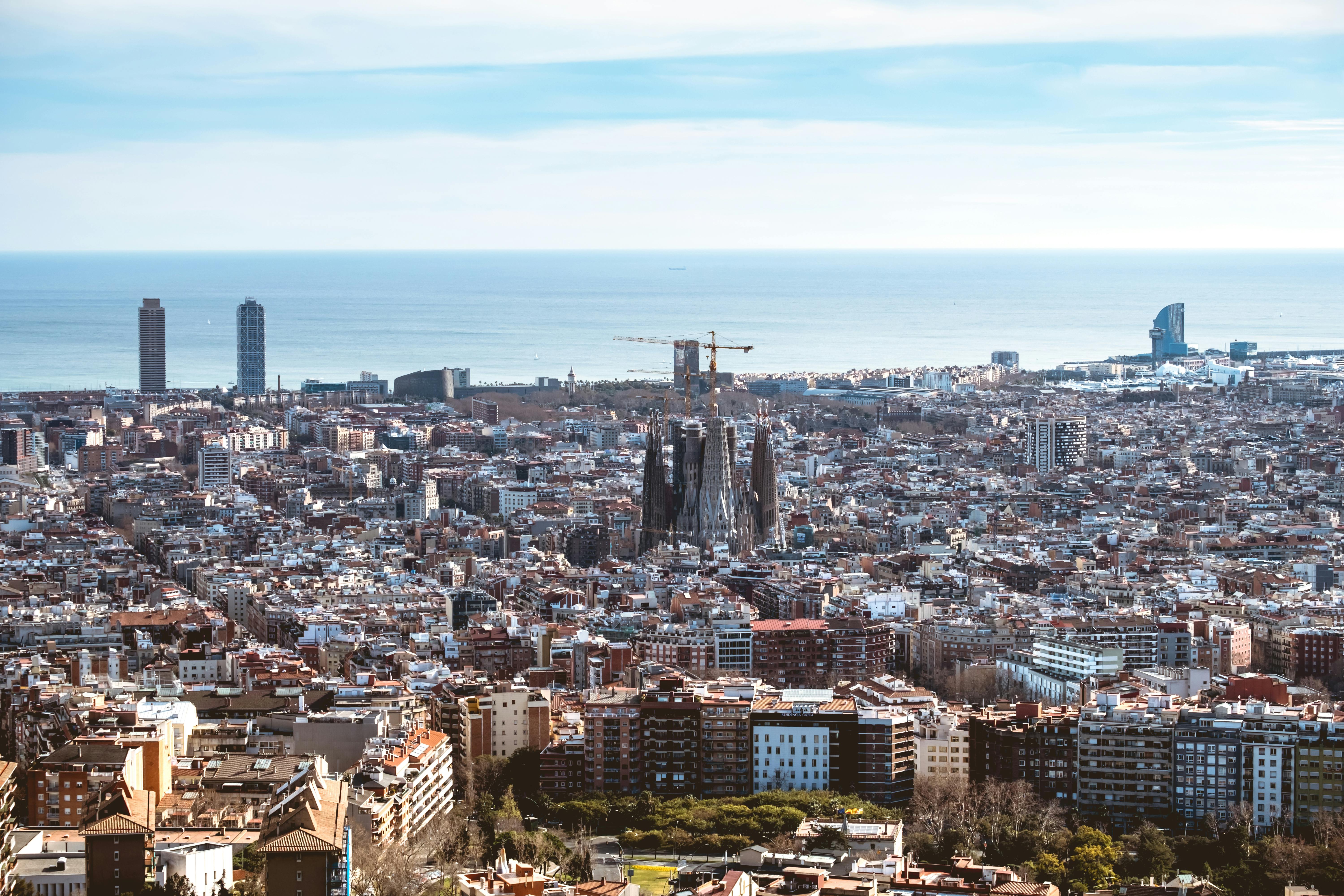
Explore the stunning aerial view of Barcelona's skyline featuring the Sagrada Familia and coastline.
Comparison

Barcelona vs Valencia: Which Spanish City Should You Visit?

Gaudí's crowded showpiece or Spain's easygoing, paella-born third city? Here is the honest call.

Last updated July 1, 20266 min read
Quick verdict

Choose Barcelona for iconic architecture, museums, and big-city buzz; choose Valencia for beaches, paella, lower prices, and a more relaxed, less crowded pace.

Two Mediterranean cities, roughly three hours apart by fast train, yet they deliver very different holidays. Barcelona is a global superstar: Gaudí's dizzying architecture, world-class museums, relentless energy, and the crowds and prices that fame brings. Valencia is Spain's third city but travels lighter, with wide-open plazas, a huge riverbed park, one of the country's best beaches minutes from the center, and the birthplace claim to paella.

The real question is what kind of trip you want. Do you want to tick off bucket-list landmarks and dive into a buzzing, cosmopolitan capital of Catalonia, or do you want a more relaxed, affordable, and less touristy version of coastal Spain where you can actually breathe? Both are walkable, sun-soaked, and packed with good food, but the tempo and the price tag differ.

Below we break down vibe, things to do, beaches, food, cost, crowds, and how to reach each so you can choose with confidence, or better yet, decide to pair them into one trip.

The icon
Barcelona
Gaudí · buzz · big-city energy
The easygoing one
Valencia
Paella · beaches · relaxed pace
Head to head

Barcelona vs Valencia

Vibe & first impressions
Barcelona feels like a world capital: dense, stylish, and always switched on, from the Gothic Quarter's medieval lanes to the modernist grid of the Eixample. It is exhilarating but can feel overwhelming and heavily touristed, especially along La Rambla.
Valencia is looser and more human-scaled, mixing an atmospheric old town (Ciutat Vella) with the futuristic City of Arts and Sciences and the green Turia riverbed park that loops through the city. It feels lived-in and unhurried, more Spanish everyday life than international showcase.
Things to do & sights
This is Barcelona's trump card: the Sagrada Família, Park Güell, Casa Batlló, and La Pedrera are genuine must-sees, backed by the Picasso Museum, MNAC on Montjuïc, and the Gothic Quarter. You could fill four full days and still miss things.
Valencia's headline act is Calatrava's spectacular City of Arts and Sciences, with an aquarium (Oceanogràfic), science museum, and opera house. Add the Gothic cathedral (home to a claimed Holy Grail), the ornate Lonja de la Seda silk exchange, the Central Market, and the Turia park, and two to three days are plenty.
Beaches
Barceloneta and the city beaches are convenient and lively but narrow, crowded, and not the reason to come. For better sand you head out of town toward Sitges or the Costa Brava.
Valencia wins here. Playa de la Malvarrosa and Las Arenas are broad, sandy, and backed by a promenade of paella restaurants, all a short tram or bus ride from the center, with quieter El Saler and the Albufera dunes just south.
Food & nightlife
Barcelona is a serious dining city, from Catalan classics and pintxos bars to high-end tasting menus, with a nightlife scene that runs from Gothic Quarter cocktail bars to beachfront clubs. It is exciting but pricier.
Valencia is the true home of paella (order it at lunch, from the Albufera rice fields), plus agua de Valencia cocktails and a buzzing Ruzafa neighborhood full of bars and cafes. Nightlife is fun and cheaper, if less internationally famous.
Cost
Barcelona is one of Spain's most expensive cities: expect higher hotel rates, pricier restaurants in tourist zones, and a tourist tax that keeps rising. Budget travelers can manage, but value is harder to find.
Valencia is noticeably cheaper across hotels, meals, and drinks, often 20-30% less for similar quality. Your money simply stretches further, which is a real deciding factor for many travelers.
Crowds
Barcelona battles serious over-tourism, with packed sights, timed entry tickets essential for Gaudí landmarks, and local frustration at peak season. Summer can feel like a scrum.
Valencia sees far fewer tourists and rarely feels overrun outside of Las Fallas festival in March. You get big-city amenities without the crush.
When to go
May, June, September, and October are ideal, with warm weather and slightly thinner crowds; July and August are hot, humid, and mobbed. Winters are mild but cooler for the beach.
Valencia enjoys a gentle Mediterranean climate with more reliable sunshine; spring and autumn are lovely. Time it for Las Fallas (mid-March) for fireworks and giant burning sculptures, or avoid it if crowds and noise aren't your thing.
Getting there & around
Barcelona's El Prat airport has vast international connections, and the metro makes the city easy to navigate. It is the more convenient arrival point for most long-haul visitors.
Valencia's airport is smaller but well connected within Europe, and the city is flat and bike-friendly with a good metro and tram. The two cities are linked by frequent high-speed and intercity trains in roughly three hours.

Barcelona is best for

first-timers and culture lovers who want world-famous architecture, top museums, and the energy of a global city, and don't mind crowds and higher prices.

Valencia is best for

travelers who want great beaches, authentic paella, lower costs, and a relaxed, less touristy Mediterranean city that still has plenty to see.

The verdict
First trip to Spain's east coast? Start with Barcelona, but Valencia may win your heart.

Barcelona is the obvious pick if you want the iconic sights and cosmopolitan buzz of a bucket-list city, and it delivers. But if you crave beaches, better value, real paella, and room to breathe, Valencia quietly outperforms it for a relaxed holiday. With only three hours of fast train between them, the smartest move is often to see both.

Pin down your priorities, iconic sights or easygoing beaches, and pick your base, or line up the train tickets and enjoy the best of both.

Frequently asked questions

Is Valencia cheaper than Barcelona?
Yes. Valencia is noticeably more affordable, with hotels, meals, and drinks typically running 20-30% less than in Barcelona, and it also charges lower tourist fees.
Which city has better beaches, Barcelona or Valencia?
Valencia. Its Malvarrosa and Las Arenas beaches are wide, sandy, and lined with paella restaurants just minutes from the center, while Barcelona's Barceloneta is convenient but narrow and very crowded.
Can you visit both Barcelona and Valencia in one trip?
Absolutely. Frequent high-speed and intercity trains connect them in roughly three hours, making it easy to combine both cities in a single week-long trip.
Which is better for a first trip to Spain?
Barcelona is the classic first-timer choice for its world-famous Gaudí architecture, museums, and city energy, but Valencia offers a more relaxed, authentic, and budget-friendly alternative if crowds aren't your thing.
Which city is better for families?
Valencia edges it for families thanks to its excellent Oceanogràfic aquarium and science museum, easy beaches, and calmer, more walkable feel, though Barcelona's aquarium, park, and sights also entertain kids well.
Plan with MagicTrips

Build your own trip

Tell us how many days, your budget, and what you're into, and we'll build you a custom, day-by-day itinerary.

Ready to book your stay?

Hotels
Homes

Traveling somewhere else?

Generate a custom itinerary