
8 Spanish Beach Towns That Are Cheaper Than Barcelona (and Just as Good)

Same sun, same seafood, half the price: these coastal towns deliver Mediterranean and Atlantic days without Barcelona's tourist markup.
8 Spanish Beach Towns That Are Cheaper Than Barcelona (and Just as Good)
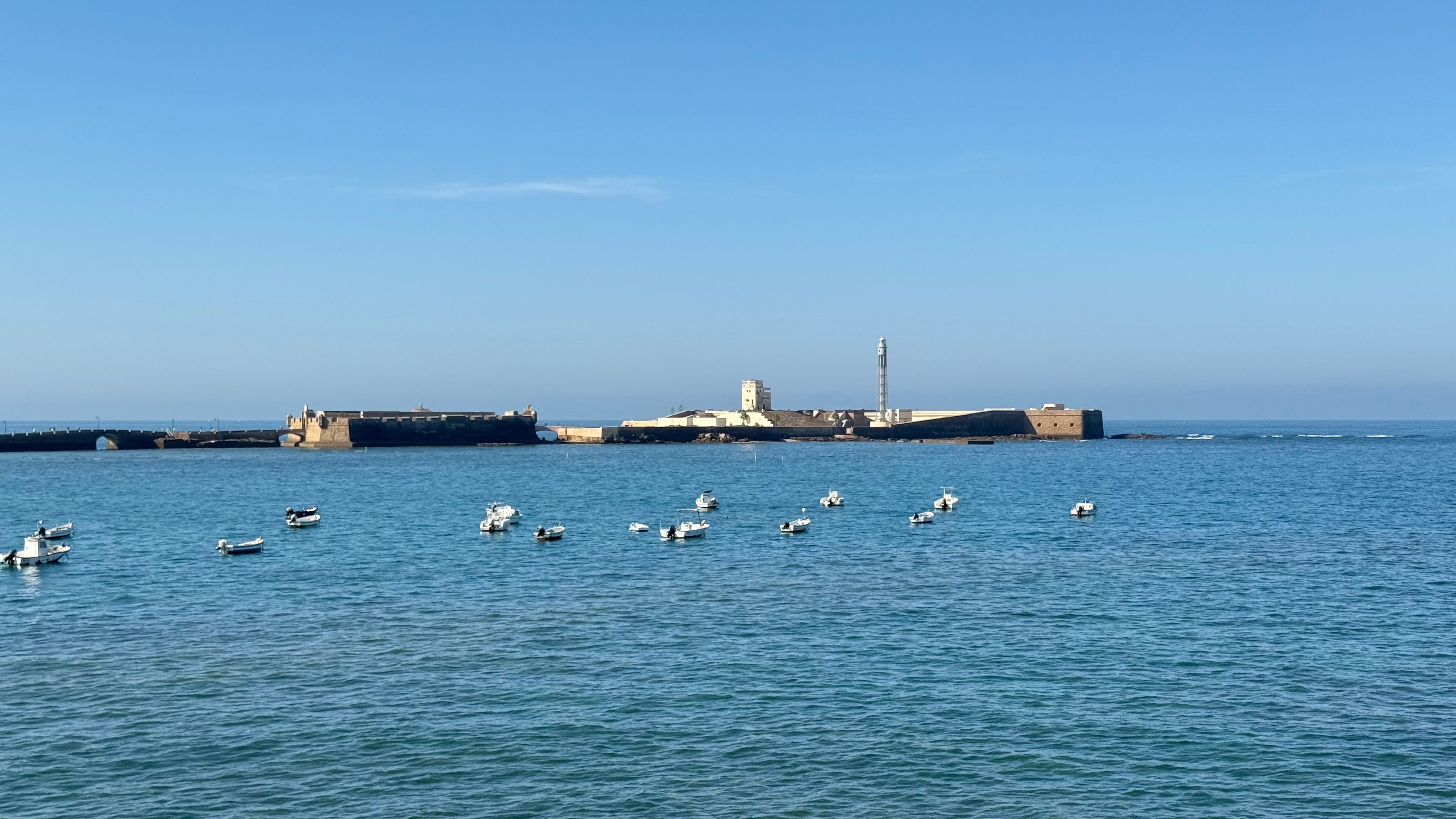
Peaceful view of boats near Castillo de San Sebastián on a sunny day in Cádiz, Spain. · Stephan Leuzinger

Barcelona is a wonderful city, but its beaches come with city-center prices: crowded sand, pricey paella aimed at tourists, and hotel rates that climb every summer. The good news is that Spain has thousands of kilometers of coastline, and much of it is cheaper, quieter, and arguably more beautiful than what you will find off La Barceloneta.

These eight towns span the Atlantic Costa de la Luz, the Mediterranean Costa Blanca and Costa del Sol, the rugged Cabo de Gata, and even green Galicia. All are real, easy to reach, and built around the simple pleasures of swimming, fresh seafood, and long evenings at a beachfront table that won't wreck your budget.

We have ranked them best-first for value and overall appeal, with how to get there, what to eat, and who each one suits. Mix and match, or pick one and settle in for a week.

1
Cadiz
CadizCosta de la Luz, Andalusia (southwest Spain) Google
Often called the oldest continuously inhabited city in Western Europe, Cadiz sits on a narrow Atlantic peninsula with golden city beaches and a tangle of salt-worn old streets. La Caleta beach is framed by two castles and faces sunsets that locals gather to watch; the broad Playa de la Victoria stretches for kilometers with cheap chiringuitos serving fried fish. Tapas here cost a fraction of Barcelona's, with tortillitas de camarones (shrimp fritters) and pescaito frito the local obsessions. The compact center means you can swim, eat, and wander the markets all on foot.
  • Sunset at La Caleta beach between two castles
  • Pescaito frito and tortillitas de camarones at the Mercado Central
  • Climbing the Torre Tavira camera obscura for rooftop views
Best for: first-timers who want a city and a beach in one cheap package
Getting there: High-speed and intercity trains from Madrid take about 4 hours; frequent trains and buses connect from Seville in around 1.5 hours.
2
Nerja
NerjaCosta del Sol, Andalusia (east of Malaga) Google
Nerja is the prettiest stretch of the eastern Costa del Sol, a whitewashed town tumbling toward a cliff-edge promenade known as the Balcon de Europa. Below it, small coves like Playa de Calahonda and Playa Burriana offer calm swimming and beach bars where a plate of sardines grilled on a boat-shaped barbecue costs next to nothing. Nearby, the vast Cuevas de Nerja caves shelter some of the world's oldest cave paintings and stage summer concerts. It feels relaxed and family-friendly, with prices well below the resort towns closer to Marbella.
  • The Balcon de Europa cliff viewpoint
  • Espetos de sardinas (skewered grilled sardines) on Burriana beach
  • The stalactite chambers of the Cuevas de Nerja
Best for: families and couples wanting a low-key resort base
Getting there: Fly to Malaga, then a direct ALSA bus or 1-hour drive east along the coast.
3
Tarifa
TarifaCosta de la Luz, Andalusia (Spain's southern tip) Google
Where the Atlantic meets the Mediterranean, Tarifa is Spain's wind-and-kite capital and a magnet for a young, barefoot crowd. Vast empty beaches like Playa de Los Lances and Bolonia run for kilometers backed by dunes, and on clear days you can see Morocco across the strait. The walled old town is full of cheap tapas bars and surf cafes, and you can take a day ferry to Tangier in 35 minutes. Accommodation skews toward hostels, surf camps, and guesthouses, keeping costs friendly.
  • Kitesurfing and windsurfing at Playa de Los Lances
  • The Roman ruins of Baelo Claudia at Bolonia beach
  • A day-trip ferry across the strait to Tangier, Morocco
Best for: watersports lovers, backpackers, and free spirits
Getting there: Buses from Cadiz (about 1.5 hours) or from Malaga airport (around 2.5 hours).
4
Peniscola
PeniscolaCosta del Azahar, Valencia region (north of Valencia) Google
Peniscola's old town crowns a rocky headland jutting into the Mediterranean, topped by a templar castle that played the pope in the medieval Western Schism (and later starred in Game of Thrones). Whitewashed lanes spill down to a long sandy beach and a palm-lined promenade lined with affordable seafood restaurants. The water is warm and shallow, ideal for swimming, and the setting is genuinely cinematic without the crowds of the bigger Costa Blanca resorts further south. Try the local arroz a banda, a soupy rice cooked in fish stock.
  • The clifftop Castillo del Papa Luna
  • Wandering the walled old town's blue-shuttered alleys
  • Arroz a banda at a beachfront restaurant
Best for: history-minded beachgoers and photographers
Getting there: Train from Valencia to Benicarlo-Peniscola (about 1.5 hours), then a short bus or taxi to the seafront.
5
Conil de la Frontera
Conil de la FronteraCosta de la Luz, Andalusia (between Cadiz and Tarifa) Google
Conil is a working Andalusian fishing town that morphs into a laid-back beach destination in summer, without losing its character. Its beaches are some of the best on the Costa de la Luz: wide, pale-gold, and backed by low cliffs at El Palmar and Cala del Aceite. The town is famous for almadraba bluefin tuna, caught using an ancient netting technique, and the tuna tapas here are extraordinary value. Evenings unfold over tinto de verano in the whitewashed old quarter.
  • Almadraba bluefin tuna tapas
  • Sunset surfing at nearby Playa El Palmar
  • The sheltered swimming cove of Cala del Aceite
Best for: foodies and beach lovers wanting an authentic Andalusian town
Getting there: Buses from Cadiz take around 45 minutes; about a 45-minute drive south.
6
Denia
DeniaCosta Blanca, Alicante province Google
Denia balances a buzzy marina, a hilltop castle, and miles of beach, all at prices lower than the headline Costa Blanca resorts. North of town the beaches are long and sandy (Las Marinas), while to the south you'll find rocky coves with clear water for snorkeling (Les Rotes). It is a UNESCO City of Gastronomy, and the local red prawn (gamba roja de Denia) is one of Spain's great delicacies, while a hearty arroz a banda is the everyday rice dish. Ferries from the port make a day trip to Ibiza easy and affordable.
  • Gamba roja de Denia (local red prawns)
  • Snorkeling the rocky coves of Les Rotes
  • Sunset from the hilltop castle over the marina
Best for: food lovers who also want a ferry hop to the islands
Getting there: From Alicante airport, about 1.5 hours by bus or car; the scenic TRAM tram line links it with Benidorm and Alicante.
7
Mojacar
MojacarCabo de Gata coast, Almeria province Google
Mojacar splits into two: a cluster of white cubic houses draped over a hill (Mojacar Pueblo) and a long beach strip below (Mojacar Playa). This is one of Spain's sunniest and driest corners, with quieter, less developed sand than the Costa del Sol and easy access to the wild volcanic coves of the Cabo de Gata-Nijar natural park. The old village is a maze of flower-filled lanes and viewpoints, while the beach has relaxed bars and clean, calm water. Prices here remain notably gentle for a Mediterranean resort.
  • The white hilltop maze of Mojacar Pueblo
  • Day trips to the volcanic coves of Cabo de Gata
  • Long, uncrowded swims at Mojacar Playa
Best for: travelers wanting sun, nature, and fewer crowds
Getting there: Almeria airport is about an hour's drive; buses connect from Almeria city in around 1.5 hours.
8
Sanxenxo
SanxenxoRias Baixas, Galicia (northwest Spain) Google
For something completely different, head to green, Atlantic Galicia, where Sanxenxo is the region's top summer beach town and still far cheaper than Barcelona. Silgar beach curves right along the town, while a short hop away the protected Cies Islands offer beaches regularly rated among the world's most beautiful. The real draw, though, is the seafood: this is the heartland of Galician octopus, percebes (gooseneck barnacles), and crisp Albarino wine straight from the surrounding vineyards. Summers are warm but never scorching, a relief in a hot Spanish July.
  • Pulpo a la gallega (Galician-style octopus) and Albarino wine
  • A boat trip to the Cies Islands' Praia de Rodas
  • The town beach of Praia de Silgar
Best for: seafood obsessives and travelers escaping the southern heat
Getting there: Fly to Vigo or Santiago, then about a 45-minute drive; buses run from Pontevedra in around 40 minutes.

Good to Know

When to go June and September give you warm sea, lower prices, and far thinner crowds than peak August, when Spanish families fill the coast and rates spike. The Atlantic Costa de la Luz stays breezier and cooler than the Mediterranean.
Getting around Renting a car unlocks the best beaches and coves, especially around Cabo de Gata and the Costa de la Luz. Where trains exist (Cadiz, Denia, Peniscola via Benicarlo) they are cheap and scenic, but bus networks like ALSA fill most coastal gaps.
Eat where locals eat Look for the menu del dia at lunch, a multi-course set meal with wine for roughly 12 to 18 euros, and order seafood by the local name (espetos, pulpo, gamba roja) rather than tourist paella. Chiringuito beach bars are usually cheaper than seafront restaurants.
Book ahead in August Spaniards holiday on their own coast in August, so accommodation in these towns sells out and prices jump. Reserve a month or more ahead, or shift your trip to the shoulder season for better deals.

You do not need Barcelona's prices to get the best of the Spanish coast: a sunset over the Atlantic at Cadiz, grilled sardines in Nerja, or red prawns in Denia all cost a fraction of a city-center beach day. Pick a town that matches your pace, line up a few seafood lunches, and let Spain's quieter shores do the rest.

Ready to book your trip?

Search Hotels
Search Homes

Traveling somewhere else?

Generate a custom itinerary