
8 Croatian Coastal Towns Cheaper Than Dubrovnik (and Just as Beautiful)

Stone-walled old towns, swimmable beaches, and grilled-fish dinners that won't drain your wallet, all along the same dazzling Adriatic coast.
8 Croatian Coastal Towns Cheaper Than Dubrovnik (and Just as Beautiful)
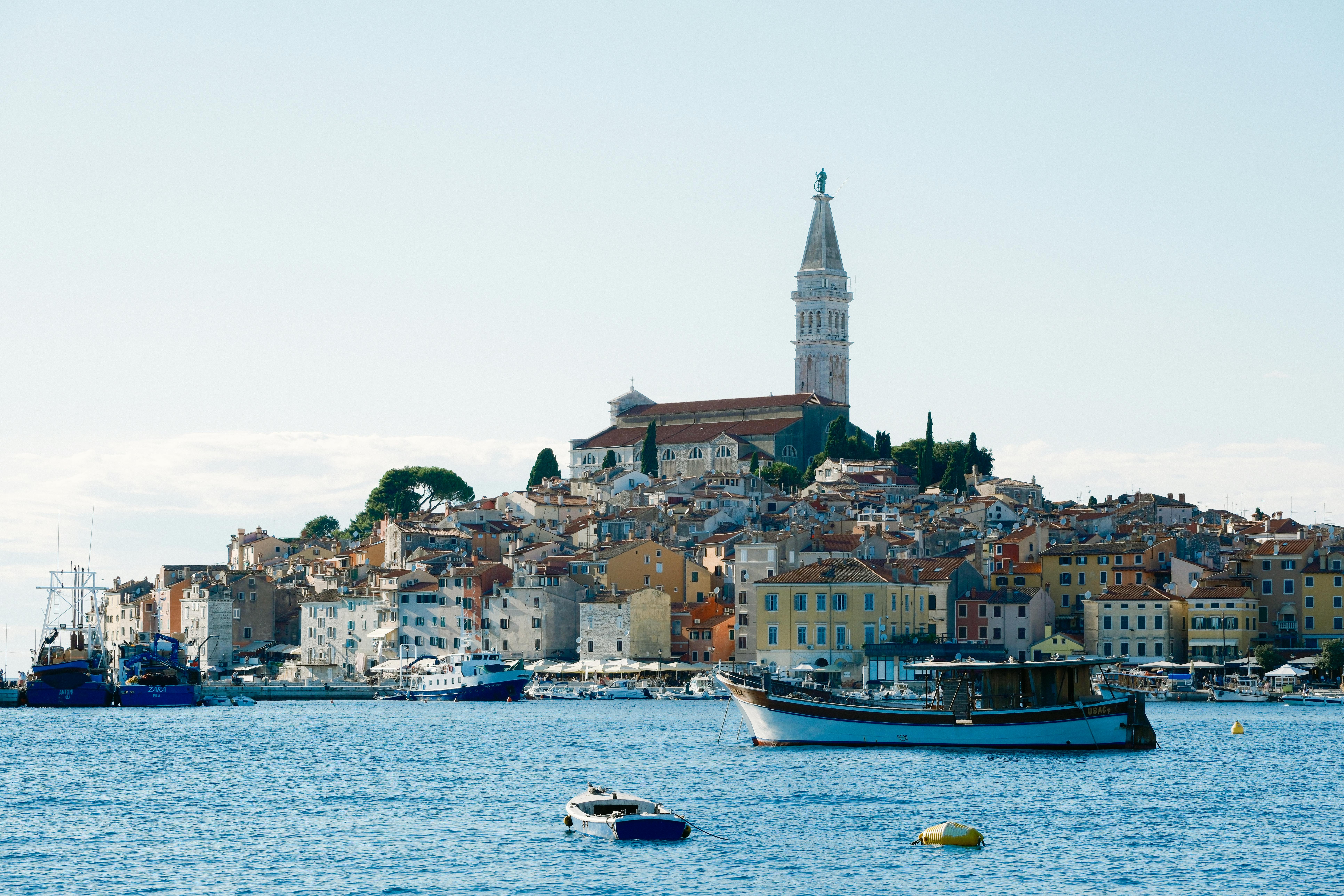
Beautiful coastal town of Rovinj, Croatia, showcasing the iconic Saint Euphemia Church and harbor scenery. · Ramon Karolan

Dubrovnik is magnificent, and it knows it: peak-season hotel rates, restaurant bills, and entry fees here run higher than almost anywhere else on the Adriatic. The good news is that Croatia's coast is more than 1,700 kilometers long and studded with walled old towns, marble streets, and clear swimming coves that look every bit as cinematic for a fraction of the cost.

These eight towns span Istria to southern Dalmatia, and each gives you a real reason to stay: a UNESCO cathedral, a Roman island core, oyster beds, a sea-organ that plays the waves. Prices for rooms, konoba dinners, and beach days are noticeably gentler than in Dubrovnik, especially if you travel in June or September.

Use this list to build a coast-hopping trip or to pick a single base. We've ordered them roughly best-first for value and atmosphere, and noted how to reach each one, who it suits, and exactly what to see, eat, and do once you arrive.

1
Zadar
ZadarNorthern Dalmatia, about 1.5 hours north of Split Google
Zadar packs a Roman forum, marble-paved old town, and two of Croatia's most original art installations into a peninsula you can walk end to end. The Sea Organ turns wave motion into a haunting hum through pipes beneath the promenade, and the adjacent Greeting to the Sun lights up at dusk with solar-charged colors. Restaurant and accommodation prices sit well below Dubrovnik's, and the town has its own airport with budget connections. Stay for the sunset Alfred Hitchcock once called the world's most beautiful, then eat fresh fish in the old town backstreets.
  • The Sea Organ and Greeting to the Sun at sunset
  • Roman Forum and the round Church of St. Donatus
  • Maraschino cherry liqueur, made here since the 1800s
Best for: first-timers who want culture, sunsets, and value
Getting there: 1.5-hour bus or drive north from Split; Zadar has its own airport with low-cost flights
2
Šibenik
ŠibenikNorthern Dalmatia, about 1 hour northwest of Split Google
Often skipped for its flashier neighbors, Šibenik rewards you with a steep maze of stone alleys climbing to two hilltop fortresses and the UNESCO-listed Cathedral of St. James, built entirely of stone without mortar. It is the gateway to Krka National Park, where you can walk boardwalks past thundering waterfalls and swim in the river. Prices for rooms and seafood here are among the best on the coast, and the restored St. Michael's Fortress hosts summer concerts with the Adriatic spread out below. It makes a calmer, cheaper base than Split for exploring the area.
  • Cathedral of St. James (UNESCO)
  • St. Michael's and Barone fortresses
  • Day trip to Krka waterfalls for swimming
Best for: history lovers and Krka day-trippers on a budget
Getting there: 1-hour bus or drive from Split; frequent daily connections
3
Trogir
TrogirCentral Dalmatia, 30 minutes west of Split Google
This tiny island town is a UNESCO-protected warren of Romanesque and Venetian stone, all packed onto a sandbank linked to the mainland by bridges. The 13th-century Cathedral of St. Lawrence has one of the finest carved portals in Europe, and the waterfront promenade lined with palms and yachts is made for an evening stroll. Because it sits right beside Split's airport, Trogir is an easy, cheaper, and quieter place to spend your first or last night. Climb the Kamerlengo Fortress for rooftop views, then settle into a konoba for grilled fish.
  • Cathedral of St. Lawrence and its Radovan portal
  • Kamerlengo Fortress ramparts
  • Riva promenade and the old town gates
Best for: a relaxed airport-adjacent base near Split
Getting there: 30-minute bus or drive from Split; right next to Split Airport
4
Rovinj
RovinjIstria, far northwest Croatia Google
Rovinj is Istria's showpiece: a cluster of ochre and pink houses tumbling down to the sea, crowned by the tall bell tower of St. Euphemia's church. The cobbled streets and artists' studios feel Italian, a legacy of Venetian rule, and the surrounding Istrian countryside produces some of Croatia's best olive oil, truffles, and wine. Dining and rooms run cheaper than Dubrovnik, and the nearby Zlatni Rt forest park has shaded swimming spots reachable on foot or by bike. Come for golden-hour photos from the harbor and long seafood-and-truffle dinners.
  • Church of St. Euphemia and its hilltop views
  • Sunset from the old harbor
  • Istrian truffles, olive oil, and Malvazija wine
Best for: couples, foodies, and photographers
Getting there: Fly into Pula (40 minutes south) or drive about 3 hours from Zagreb
5
Korčula
KorčulaSouthern Dalmatia, island reachable from Dubrovnik or Split Google
4.8 · 2,120 reviews
Walled, fishbone-streeted, and ringed by water, Korčula Town is sometimes called a mini-Dubrovnik, but with far smaller crowds and prices. Its medieval lanes were laid out to block wind and harness breezes, and the town claims to be the birthplace of Marco Polo. The island is wine country too, producing crisp white Pošip and Grk you can taste in nearby villages like Lumbarda. Watch a summer performance of the Moreška sword dance, then swim off the rocks just outside the walls.
  • St. Mark's Cathedral and the old town walls
  • Moreška sword dance performances in summer
  • Pošip and Grk wine tasting in Lumbarda
Best for: wine lovers wanting Dubrovnik's looks without the crush
Getting there: Ferry or catamaran from Dubrovnik (about 2 hours) or Split (about 2.5-3 hours)
6
Cavtat
CavtatSouthern Dalmatia, 30 minutes south of Dubrovnik Google
If you want Dubrovnik's coastline without its bills, Cavtat is the smart move: a palm-lined bay just past the airport, with two wooded peninsulas to walk and calm beaches for swimming. The waterfront is lined with cafes and seafood restaurants at gentler prices, and a regular boat shuttles you into Dubrovnik in under an hour for a day of sightseeing. Visit the Račić family mausoleum designed by sculptor Ivan Meštrović, and the home gallery of painter Vlaho Bukovac. It is a peaceful, affordable base for seeing the south.
  • Seafront promenade and Rat peninsula walks
  • Račić Mausoleum by Ivan Meštrović
  • Boat to Dubrovnik for a day trip
Best for: a calmer, cheaper base for visiting Dubrovnik
Getting there: 30-minute bus or 15-minute drive from Dubrovnik; right by the airport
7
Makarska
MakarskaCentral Dalmatia, about 1 hour southeast of Split Google
Backed by the dramatic gray wall of the Biokovo mountains and fronted by long pebble beaches, Makarska is a lively, good-value beach town with a horseshoe harbor and a busy summer nightlife scene. The pine-shaded Punta Rata beach is regularly rated among Croatia's best, and the Makarska Riviera strings together village beaches like Brela and Tučepi just up the coast. Drive or hike up into Biokovo Nature Park for the glass Skywalk and views stretching to Italy on clear days. It suits travelers who want sand, mountains, and value in one place.
  • Punta Rata and Brela beaches
  • Biokovo Skywalk and nature park
  • Lively harbor-front bars and konobas
Best for: beach and outdoor lovers, families, younger travelers
Getting there: 1-hour bus or drive southeast from Split along the coast road
8
Primošten
PrimoštenCentral Dalmatia, between Split and Šibenik Google
Primošten is a postcard: an old town crowded onto a small near-island connected by a causeway, with a church-topped hill and clear coves on either side. It is far quieter and cheaper than the big-name towns, yet has one of the area's prettiest swimming beaches at Mala Raduča, where pines reach almost to the water. The surrounding hills produce Babić red wine from vines grown in stony, dry-walled fields. Wander the lanes, swim, and have an unhurried dinner with the sunset behind the old town.
  • Mala Raduča beach
  • St. George's church on the hilltop
  • Local Babić red wine
Best for: a quiet, scenic swim-and-relax stop
Getting there: About 1 hour from Split or 30 minutes from Šibenik by bus or car

Good to Know

When to go June and September give you warm sea, open restaurants, and noticeably lower prices than July and August. Many smaller towns are quietest and cheapest in late spring and early autumn.
Getting around A rental car is the most flexible way to link these towns along the coast road. Frequent FlixBus and Arriva buses connect the mainland towns, while Jadrolinija and Krilo ferries serve the islands like Korčula.
Money Croatia uses the euro. Card payment is widely accepted, but carry some cash for small konobas, beach kiosks, and parking machines.
Save on beaches Most Croatian beaches are public and free. You'll pay only for optional sunbed-and-umbrella rentals, so bring a towel and water shoes for the pebbles to skip the fees.
Book ahead in peak season Ferries to islands and popular konobas fill fast in July and August. Reserve island crossings and dinner tables a day or two in advance during high season.

You don't have to pay Dubrovnik prices to fall for the Adriatic. Pick one of these towns as a base or string several together by bus, car, and ferry, and you'll get the same turquoise water, stone old towns, and grilled-fish sunsets for a good deal less. Map out a coast-hopping route, lock in your ferries early, and let Croatia's quieter side do the rest.

Ready to book your trip?

Search Hotels
Search Homes

Traveling somewhere else?

Generate a custom itinerary